Custom Hydraulic Power Units for Mobile Equipment: How to Qualify an OEM Manufacturer
Custom Hydraulic Power Units for Mobile Equipment: How to Qualify an OEM Manufacturer
A custom hydraulic power unit manufacturer for mobile equipment is a supplier that designs and builds hydraulic power packs around a specific vehicle or machine, including its voltage, mounting space, duty cycle, and the cylinder it must drive. For buyers moving from evaluation to order placement, the real question is not whether a manufacturer can assemble components, but whether it can engineer, prototype, test, and produce a reliable unit at the required scale.
This article is a practical qualification framework for equipment manufacturers, hydraulic distributors, and hydraulic solution providers that are evaluating a custom hydraulic power unit supplier. Apex Hydraulic Co., Ltd. is used as a working example because its engineering process, production capacity, and export experience are documented and can be reviewed against the company's public information.
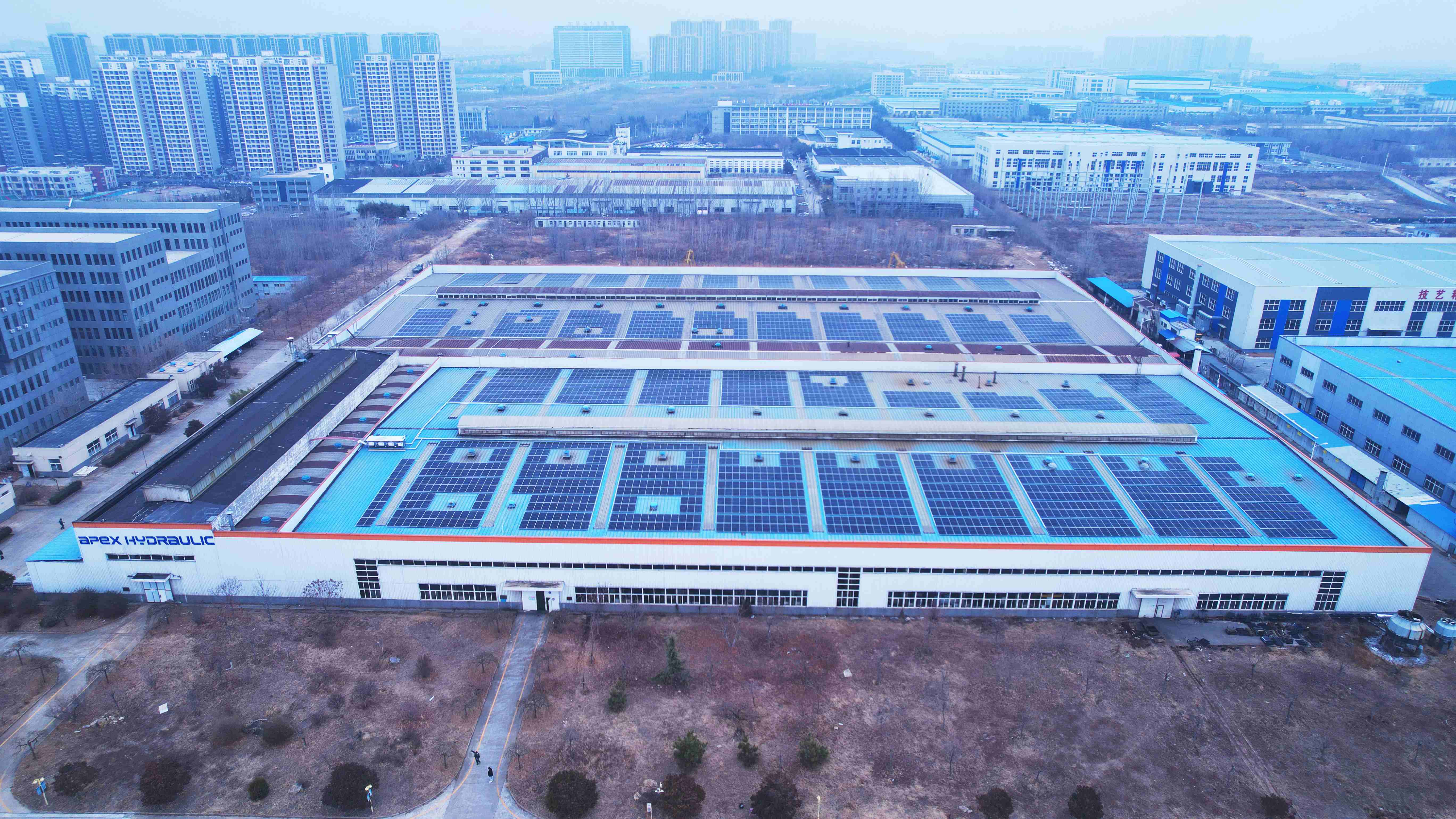
Apex Hydraulic Co., Ltd. is a hydraulic equipment manufacturer based in Qingdao, Shandong Province, China. Established in 2009, the company produces custom hydraulic cylinders, standard hydraulic cylinders, hydraulic power units, hydraulic systems, hydraulic scissor hoist kits, and hydraulic components. It operates from a 50,000 m² manufacturing facility, employs around 560 people, and exports approximately 70% of its output to North America, Western Europe, South America, Southeast Asia, the Middle East, and Australia.
Why Standard Hydraulic Power Packs Often Do Not Fit Mobile Equipment
The first problem buyers encounter is that a standard hydraulic power pack is designed for general use, not for a specific vehicle. Mobile equipment adds constraints that a catalog product cannot always satisfy.
- Electrical system matching. Most mobile machines are powered by 12V or 24V DC vehicle electrical systems. The DC motor, pump, and valve group must be sized for that voltage and for the current available from the vehicle.
- Space and mounting. Dump trailers, hoists, and vehicle bodies rarely have empty, convenient mounting points. The reservoir and motor must fit into a defined space and withstand road vibration.
- Duty cycle. Lifting a dump body or a scissor hoist is an intermittent, high-torque operation. The unit must deliver high pressure for short cycles without overheating.
- Integration with the cylinder. A power unit does not work alone. It must be matched to the hydraulic cylinder, hoses, and controls. A manufacturer that also makes cylinders can engineer the pair as one system.
The commercial risk is straightforward. If a custom hydraulic power unit is not validated before serial production, failures appear in the field rather than in the factory. OEM buyers carry that risk. The purpose of supplier qualification is to move testing and validation earlier in the process.
Industry Background: Why Custom Hydraulic Power Units Are in Demand
Mobile hydraulic equipment has increasingly moved toward compact, self-contained hydraulic power units. A hydraulic power unit combines the motor, pump, reservoir, valves, and control elements in one assembly, which simplifies installation on a vehicle and reduces the number of components an equipment manufacturer must source separately.
Typical applications include sanitation vehicles, dump trailers, dump trucks, roll-off trucks, agricultural machinery, construction equipment, mining machinery, marine equipment, and material handling equipment. Apex Hydraulic states that its products are widely used in these mobile hydraulic applications, which indicates the kind of application breadth a custom power unit manufacturer should be able to demonstrate.
International buyers account for roughly 70% of Apex Hydraulic's export sales, with main markets in North America, Western Europe, South America, Southeast Asia, the Middle East, and Australia. For a buyer evaluating a supplier, export experience matters because it implies familiarity with different market expectations, documentation, and logistics requirements.
What a Capable Custom Hydraulic Power Unit Manufacturer Should Provide
The phrase custom hydraulic power unit manufacturer can mean anything from a workshop that modifies standard units to a full engineering and production partner. The following capabilities distinguish a supplier that can carry an OEM project from concept to serial production.
1. Engineering and R&D Depth
A custom power unit starts with engineering. Apex Hydraulic maintains an engineering and R&D team of about 25 engineers and provides complete customization services, including product design, engineering drawings, prototype development, testing, manufacturing, and quality inspection. Buyers should look for the same chain of services in any supplier they evaluate: design is not useful if the supplier cannot prototype it, and prototyping is not useful if the supplier cannot test it.
2. OEM and ODM Manufacturing
OEM buyers order units that will be built into their own equipment, and distributors order units that will be sold under their own branding or technical specification. Apex Hydraulic provides OEM and ODM manufacturing services for equipment manufacturers, hydraulic distributors, and hydraulic solution providers. This commercial structure is what makes custom hydraulic power unit projects practical: the supplier builds to your specification, not only to its own catalog.
3. Production Scale
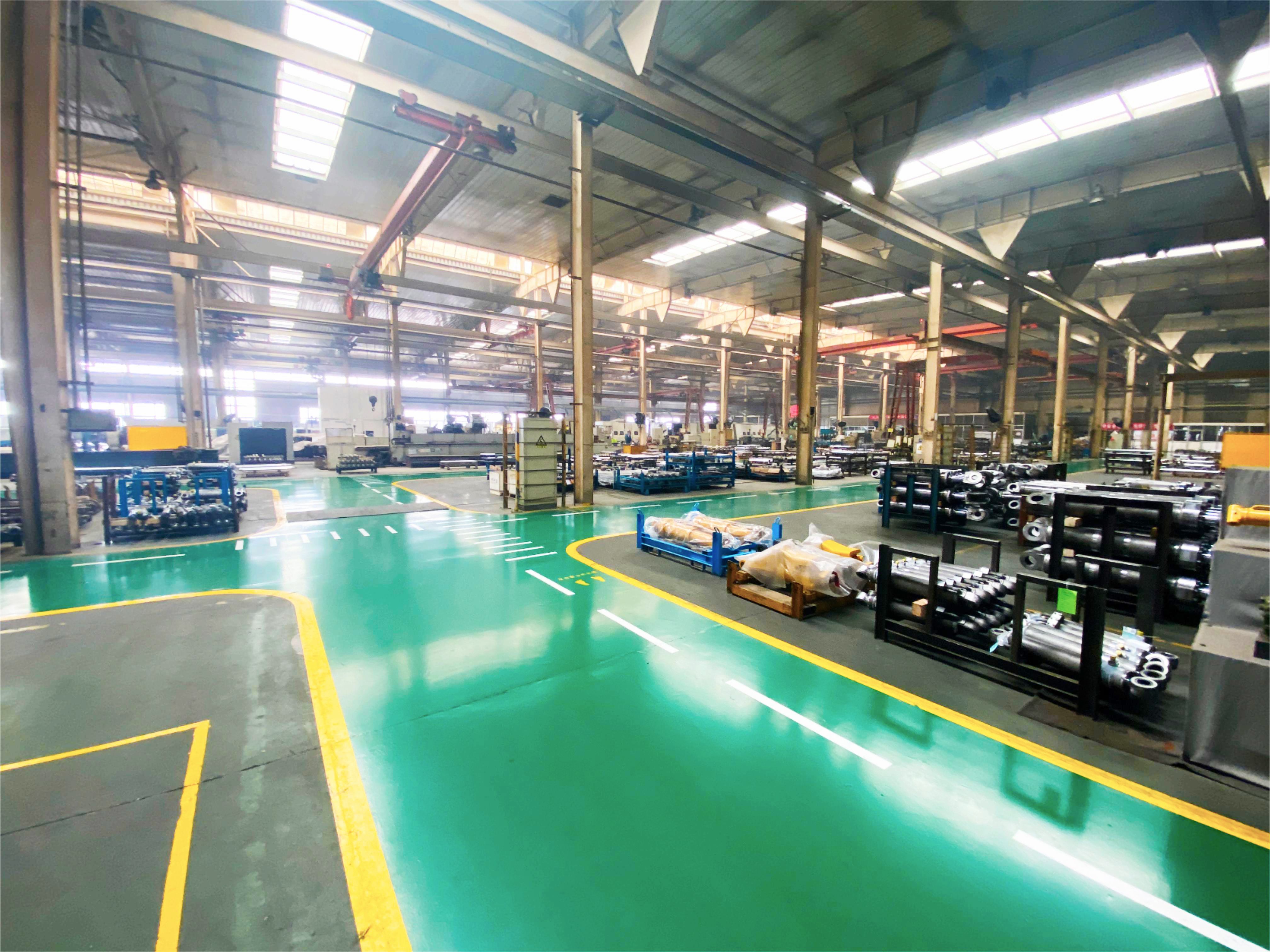
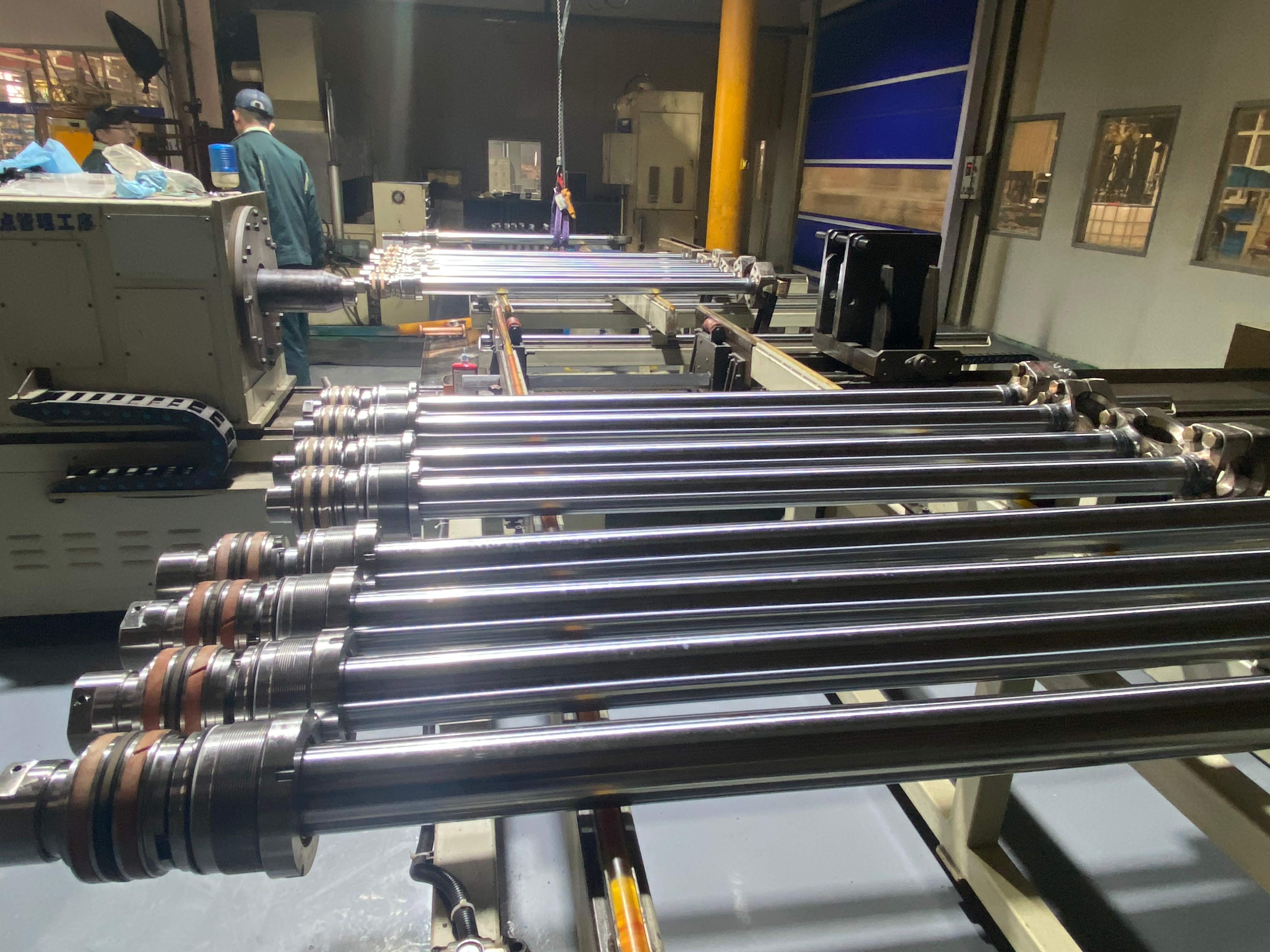
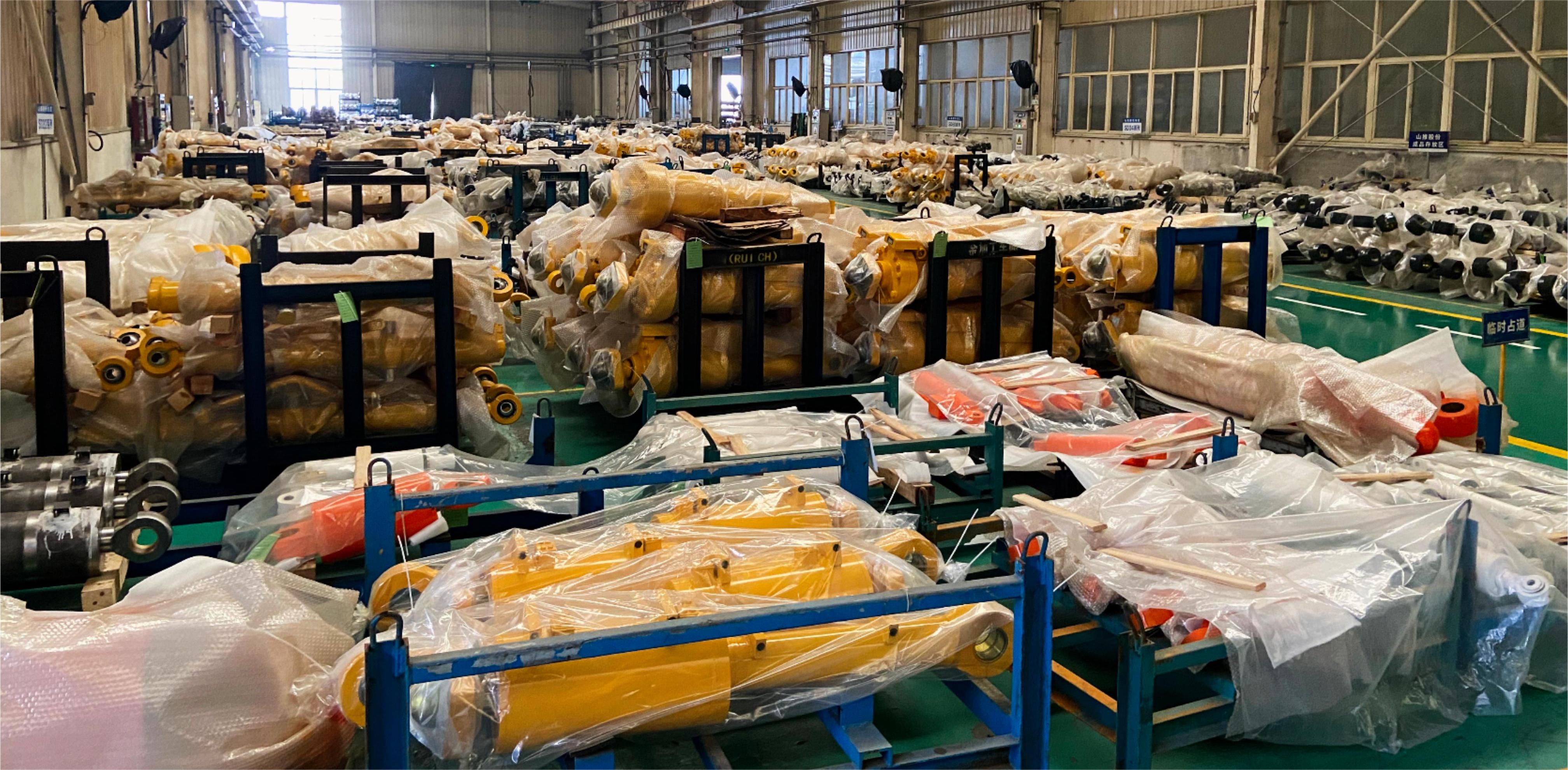
Facility size and capacity determine whether a supplier can support serial production, not just one-off prototypes. Apex Hydraulic operates a 50,000 m² manufacturing facility with around 560 employees and an annual production capacity of 100,000 hydraulic cylinders and 15,000 power units. These figures give a buyer a concrete baseline for assessing whether a manufacturer's stated capacity is consistent with its actual operation.
4. Testing and Quality Control
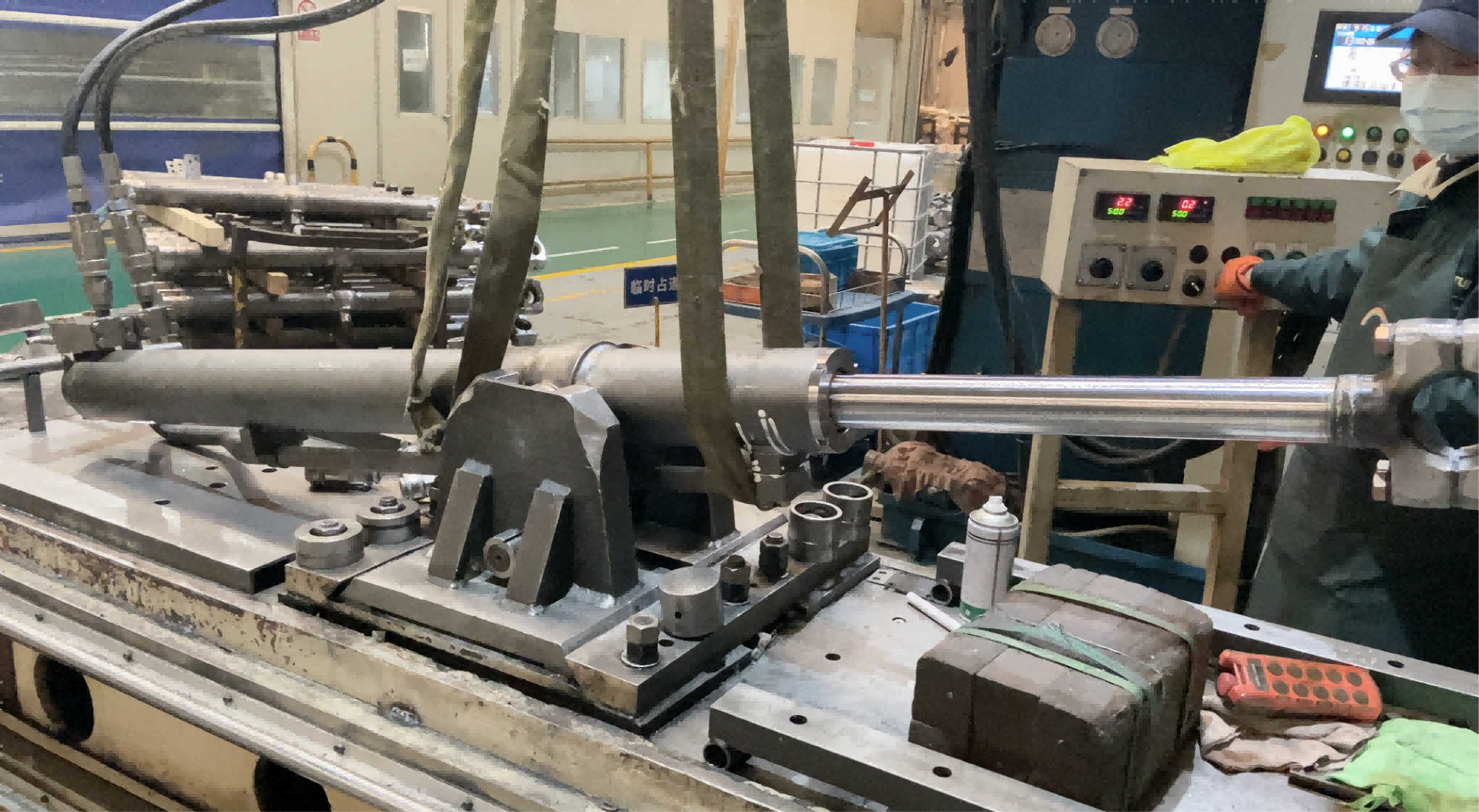
Validation is the step that separates a reliable power unit from a warranty problem. Apex Hydraulic states that every hydraulic cylinder and hydraulic power unit is manufactured under strict quality control to ensure reliable performance, long service life, and stable operation under demanding working conditions. Buyers should ask a supplier to describe its testing procedure and, where possible, to include testing in the prototype or pre-production phase.
5. Matching Product Scope
A hydraulic power unit is part of a larger system that includes cylinders, valves, hoses, and in some cases a complete hoist kit. Apex Hydraulic produces custom hydraulic cylinders, standard hydraulic cylinders, hydraulic power units, hydraulic systems, hydraulic scissor hoist kits, and hydraulic components. For buyers, this means the cylinder and the power unit can be engineered and tested together, which reduces compatibility risk at installation.
Step-by-Step: How to Qualify a Custom Hydraulic Power Unit Manufacturer
The following seven steps take a buyer from initial requirements to an informed supplier decision. The sequence is designed for the evaluation-to-execution stage, where the goal is to reduce the risk of a failed custom order.
Step 1. Define the Application Requirements
Write down the operating conditions before contacting suppliers. Include the vehicle electrical system voltage, required flow and pressure, lifting or clamping force, reservoir capacity constraints, mounting space, ambient temperature, duty cycle, and any corrosion or ingress protection requirements. The more specific the requirement, the more usable the supplier's engineering feedback will be.
Step 2. Verify Engineering Capability
Ask whether the supplier can perform product design, produce engineering drawings, and develop a prototype in-house. Engineering capability is the foundation of the entire custom project. Apex Hydraulic, for example, lists product design, engineering drawings, prototype development, testing, manufacturing, and quality inspection as part of its customization services.
Step 3. Confirm the OEM/ODM Model
Confirm how the supplier handles OEM and ODM orders. Will the unit be built to your drawings and brand requirements? Can the supplier's own engineering team contribute to the circuit design? A supplier that offers OEM and ODM services can adapt to either model.
Step 4. Assess Production Capacity and Facility
Ask for facility size, headcount, and annual capacity. These figures should match the scale of your order. A facility of 50,000 m² with around 560 employees and annual capacity of 15,000 power units, as at Apex Hydraulic, is the type of concrete evidence a buyer should request from any candidate supplier.
Step 5. Review Testing and Quality Procedures
Ask about pressure testing, leakage testing, and functional testing before shipment. Quality procedures should apply to every unit, not only to prototypes. A manufacturer that tests as part of its standard process is easier to rely on than one that tests only when the customer insists.
Step 6. Check Whether the Power Unit and Cylinder Can Be Matched
If your application uses a specific hydraulic cylinder, ask whether the supplier can provide or engineer a matching cylinder or hoist kit. Compatibility between the power unit and the actuator determines the performance of the complete system.
Step 7. Plan the Sample and Commercial Schedule
Before placing a serial order, agree on the prototype or sample stage, the testing criteria, the production schedule, and the points of contact. Lead time depends on design complexity, validation, and material availability, so the schedule should be confirmed in writing during quotation rather than assumed.
Use Cases: Where Custom Hydraulic Power Units Are Applied
Dump Trailer Hydraulic Power Unit
A dump trailer power unit is typically a compact DC unit that drives a hoist cylinder to lift the trailer body. The unit must operate on the vehicle's electrical system, fit within the trailer structure, and deliver the pressure needed to raise a loaded body. Matching the power unit to the specific hoist cylinder is the key engineering task.
Scissor Hoist Hydraulic Power Unit
Scissor hoist kits are commonly fitted to dump trailers and trucks. A hydraulic power unit designed for a scissor hoist must control extension and lowering smoothly and hold the load safely. Because Apex Hydraulic produces both hydraulic scissor hoist kits and hydraulic power units, the two components can be specified together as one system.
12V and 24V Hydraulic Power Units for Vehicles
Vehicle-mounted equipment, including dump trucks, roll-off trucks, and sanitation vehicles, typically operates on DC power. A custom 12V or 24V hydraulic power unit must be sized for the vehicle's electrical output and for the short, high-torque duty cycles involved in lifting. The manufacturer's experience with mobile applications directly affects how well these parameters are handled.
DC Hydraulic Power Units for Sanitation and Roll-Off Equipment
Sanitation vehicles and roll-off trucks use power units for repeated lifting and loading operations. These applications require reliable valve controls and consistent performance under frequent cycling. Application experience in these sectors is a relevant qualification signal.
Mini Hydraulic Power Units for Compact Machinery
Agricultural machinery, material handling equipment, and compact construction machines often require mini power units that deliver useful force in a small envelope. Space efficiency and weight become the dominant design constraints.
Comparison Table: Supplier Capability Checklist for Custom Hydraulic Power Units
| Evaluation Area | Questions to Ask the Supplier | Why It Matters | Example Evidence: Apex Hydraulic |
|---|---|---|---|
| Engineering and customization | Can you design, draw, prototype, and test a unit for my application? | Confirms the supplier can manage the full custom development chain, not just assembly. | Customization services include product design, engineering drawings, prototype development, testing, manufacturing, and quality inspection; R&D team of about 25 engineers. |
| Manufacturing scale | What is your facility size, headcount, and annual capacity? | Indicates whether the supplier can support serial production. | 50,000 m² facility; around 560 employees; annual capacity of 100,000 hydraulic cylinders and 15,000 power units. |
| Testing and quality | How do you validate each unit before shipment? | Prevents field failures and warranty claims. | Every hydraulic cylinder and power unit is manufactured under strict quality control for reliable performance in demanding conditions. |
| Product scope | Do you supply matching cylinders, valves, and hoist kits? | Reduces compatibility risk in the complete hydraulic system. | Product range covers custom cylinders, standard cylinders, hydraulic power units, hydraulic systems, scissor hoist kits, and components. |
| OEM/ODM flexibility | Do you build to buyer specifications and branding? | Defines whether the supplier can serve equipment makers, distributors, and solution providers. | OEM and ODM manufacturing for equipment manufacturers, hydraulic distributors, and hydraulic solution providers. |
| Export and logistics | Do you serve international customers? | Relevant for buyers outside the manufacturer's domestic market. | About 70% of output exported to North America, Western Europe, South America, Southeast Asia, the Middle East, and Australia. |
FAQ
What should a buyer verify before choosing a custom hydraulic power unit manufacturer for mobile equipment?
Buyers should verify engineering capability, including design, drawings, prototype development, and testing; production scale, including facility size, headcount, and annual capacity; quality procedures; relevant application experience in mobile equipment; and the supplier's flexibility for OEM and ODM orders. In the Apex Hydraulic example, these capabilities are documented: a 50,000 m² facility, around 560 employees, an annual capacity of 15,000 power units, an engineering team of about 25 engineers, and OEM/ODM service for equipment manufacturers and distributors.
Can a custom hydraulic power unit manufacturer build DC power units such as 12V and 24V units for mobile equipment?
Mobile equipment commonly operates on 12V or 24V DC vehicle electrical systems, so DC power units are a normal part of the mobile hydraulic product group. The manufacturer's experience with vehicles, including dump trailers, dump trucks, roll-off trucks, and sanitation vehicles, determines how well the motor, pump, and valve group are matched to the vehicle's electrical system and duty cycle. Buyers should request reference applications rather than assume all manufacturers have the same depth of mobile experience.
What does the OEM customization process include for a hydraulic power unit?
A complete OEM customization process typically includes product design, engineering drawings, prototype development, testing, manufacturing, and quality inspection. For example, Apex Hydraulic provides these services as part of its customization offering, which allows an equipment manufacturer or distributor to receive a tested unit rather than an unvalidated assembly. Buyers should confirm each stage in writing before the project starts.
How can I get a sample or prototype of a custom hydraulic power unit before mass production?
The normal path is to send the manufacturer a detailed application requirement, including voltage, flow, pressure, space, mounted components, and duty cycle, and request a prototype development phase. The manufacturer's engineering team then designs the unit, builds and tests the prototype, and confirms performance before serial production. Buyers should ask for testing records as part of the prototype stage. For a new project, contacting the manufacturer with a written specification is the fastest way to get a concrete response.
What lead time should I expect for a custom hydraulic power unit order?
Lead time varies with design complexity, the number of prototype cycles, component availability, and order quantity. There is no fixed number that applies to every project. Buyers should ask the manufacturer to state the schedule in writing during the quotation phase, including milestones for design, prototyping, testing, and shipment. Once the requirements are frozen, the supplier can normally provide a reliable delivery date.
Conclusion
Qualifying a custom hydraulic power unit manufacturer for mobile equipment is a capability exercise, not a price exercise. The supplier you choose should be able to engineer a unit around your vehicle, prototype and test it, produce it at the required scale, and support the complete hydraulic system, including the cylinder and hoist kit where applicable.
Apex Hydraulic Co., Ltd. provides a documented example of this capability set. Established in 2009, the company operates a 50,000 m² facility with around 560 employees, exports roughly 70% of its output to international markets, and offers OEM/ODM manufacturing with in-house design, prototyping, testing, and quality inspection. Its products are used in dump trailers, dump trucks, roll-off trucks, sanitation vehicles, agricultural machinery, construction equipment, mining machinery, marine equipment, and material handling equipment.
If you are evaluating a custom hydraulic power unit manufacturer for a mobile application, the next practical step is to review the company's product catalog and send your application requirements for an engineering assessment.
Download the Apex Hydraulic product catalog: APEX Hydraulic Product Catalog (PDF)
For sample, prototype, or quotation inquiries, contact:
Jason — jason@hydraulicapex.com · +86 182-5318-1828 (also on WhatsApp)
Website: www.hydraulicapex.com
Have Questions or Need More Details?
Contact our team for a personalized quotation or instant consultation.
Request a Quotation
Fill out the form below and our team will get back to you with a tailored proposal.
WhatsApp Direct Chat
Prefer to chat in real-time? Message us on WhatsApp for instant assistance & quick answers.
- Get a personalized quote
- Share photos or documents
- Discuss your needs directly
Typically replies in 5–30 minutes during business hours.