Cleanliness, Filtration, and Pressure Calibration Parameters for Custom Hydraulic Power Units
Most field failures on a custom hydraulic power unit were decided long before the first unit shipped — in how clean the circuit was when it closed, how the filtration was specified against real duty cycle, and how the pressure set point was verified before delivery. For OEM engineers, those three parameter families are the difference between a power pack that holds its performance and one that returns as a warranty claim.
This technical guide covers how to specify and evaluate cleanliness, filtration control, and pressure calibration on custom hydraulic power units, including low-noise compact, vehicle-mounted auxiliary, AC industrial, aerial work platform, and double-acting mobile configurations. The production and pre-delivery practices described here reflect the process of Apex Hydraulic Co., Ltd., an OEM/ODM hydraulic manufacturer established in 2009 in Qingdao, Shandong Province, China, operating a 50,000 m² facility with 560 employees and an R&D team of 25 engineers.
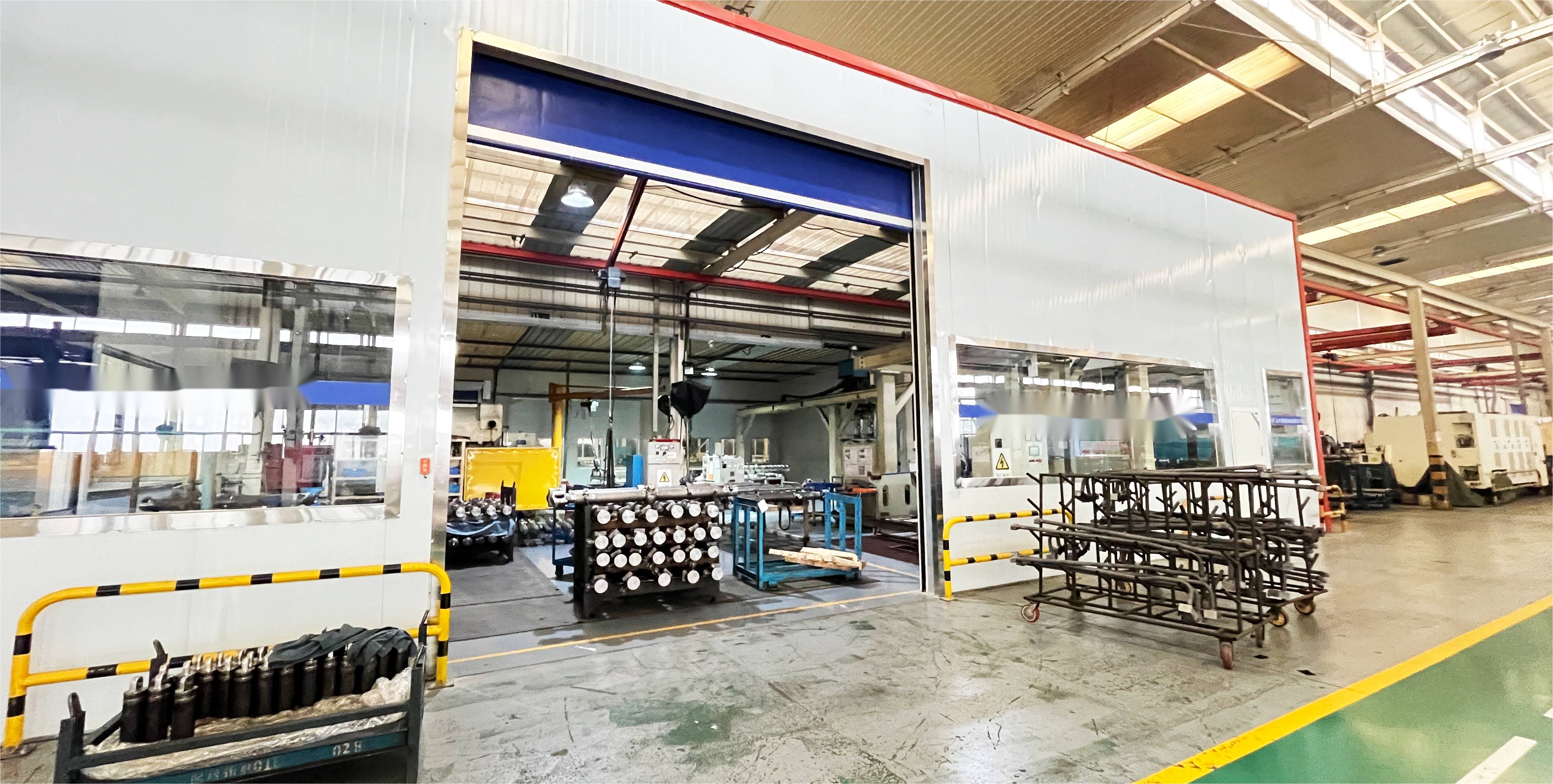
Clean assembly conditions are the first parameter that decides how long a custom hydraulic power unit holds pressure and flow performance.
Problem Definition: Where Cleanliness, Filtration, and Pressure Actually Fail
Three parameter gaps produce most of the field problems reported on custom hydraulic power units. Each one is settled during engineering, sourcing, and assembly — not during operation — which is why they belong in the technical review rather than in the maintenance schedule.
1. Contamination is decided before the unit ever runs
Oil contamination is a production risk, not an operating accident. The control method is a clean assembly process combined with filtration control: hydraulic systems are cleaned before assembly, and hydraulic oil cleanliness is controlled to reduce contamination risks. When that step is skipped or compressed, the consequence appears later as premature hydraulic pump wear — which is precisely why hydraulic pumps are sourced from qualified suppliers and assembled under clean manufacturing conditions to minimize premature wear.
2. A filtration strategy that does not match the duty cycle
Filtration control is the paired control method for oil contamination, and it only performs when the filtration decision is made together with component selection, fluid choice, and the duty cycle the unit will actually run. A filter chosen by habit rather than by circuit design either passes particles the components cannot tolerate or introduces pressure loss the circuit was never sized for. The practical consequence is that the filtration specification belongs in the approved drawing set, next to pump and valve selection, rather than in a general note.
3. Pressure settings that were never verified against the specification
Pressure instability is controlled through hydraulic circuit verification and pressure calibration. Pressure settings are adjusted according to customer specifications, and each power unit is tested to verify stable system pressure before delivery. A unit that leaves without that verification can pass a short factory bench check and still drift once installed, because it is the whole circuit — not the relief valve alone — that determines how a set point behaves under load.
Industry Background: Why Verified Parameters Became a Procurement Topic
The commercial context explains why parameter-level verification is being written into more OEM purchase specifications. Published market research on hydraulic power units points to a market that is large, geographically concentrated, and increasingly served by configured rather than generic units:
- The global hydraulic power unit market was valued at USD 13.6 billion in 2024, according to Grand View Research. Precedence Research estimates the same market at USD 11.4 billion in 2024 with a CAGR of 5.5% through 2034. The two estimates differ, so either figure should be treated as an order-of-magnitude reference rather than a precise number.
- Asia Pacific dominated the hydraulic power unit market in 2024 with a revenue share of 40.2% (Grand View Research).
- The U.S. hydraulic power unit market was valued at USD 2.55 billion in 2024, with the industrial application segment holding the largest revenue share at 56.3% and electric-powered units accounting for 60.1% of U.S. revenue share (Grand View Research).
- Standard packaged units accounted for 47.8% of global hydraulic power unit revenue share in 2024 (Mordor Intelligence), leaving a substantial share of demand to configured and application-specific designs.
- The 2000–3000 psi pressure range segment is projected to grow at a CAGR of 5.8% from 2025 to 2033 (Grand View Research) — a band where pressure calibration discipline directly affects repeatability.
- On the mobile side, the global dump trailer market was estimated at USD 63.51 billion in 2024, with the 10–15 tons segment holding the largest share (Market Research Future), and the hydraulic pumps market is projected to grow by USD 2.77 billion between 2024 and 2028 (Technavio).
Regulation reinforces the same direction. In the European Union, hydraulic power units must comply with EN ISO 4413:2010, which sets general rules and safety requirements for hydraulic systems, while the Machinery Directive 2006/42/EC governs health and safety requirements for hydraulic systems. Cleanliness control and pressure verification are therefore not optional quality extras; they are part of the compliance path.
The supplier landscape is also mixed. Bosch Rexroth AG, Parker-Hannifin, and HYDAC International are identified as top global manufacturers of hydraulic power units (Mordor Intelligence), while on the DC side KTI Hydraulics launched a submerged DC hydraulic power unit with 12V and 24V options for recycling equipment in 2023. For an OEM specifying a vehicle-mounted or mini hydraulic power unit, this means the real comparison is rarely brand against brand — it is verified parameters against unverified parameters.
Detailed Solution: The Three Parameter Families an OEM Drawing Should Lock
1. Cleanliness parameters
Cleanliness is specified as a process chain, not as a single number. In practice the chain covers four points: cleaning the hydraulic system before assembly, controlling hydraulic oil cleanliness, assembling under clean manufacturing conditions, and protecting the finished unit against contamination and corrosion during storage and transport.
- Before assembly: hydraulic systems are cleaned before assembly so that machining residue, swarf, and handling debris never reach the closed circuit.
- During assembly: components are assembled under clean manufacturing conditions, and hydraulic pumps are sourced from qualified suppliers to minimize premature wear.
- Fluid control: hydraulic oil cleanliness is controlled as the primary measure against contamination risk.
- After assembly: ports are sealed and anti-corrosion treatment is applied, so the cleanliness achieved in production is not lost before the unit reaches the customer.
Cleanliness is commonly expressed using particle-count classification codes such as ISO 4406. The required class should be confirmed against the component suppliers' requirements and recorded on the approved drawing, so that the assembly team and the OEM are working against the same acceptance reference.
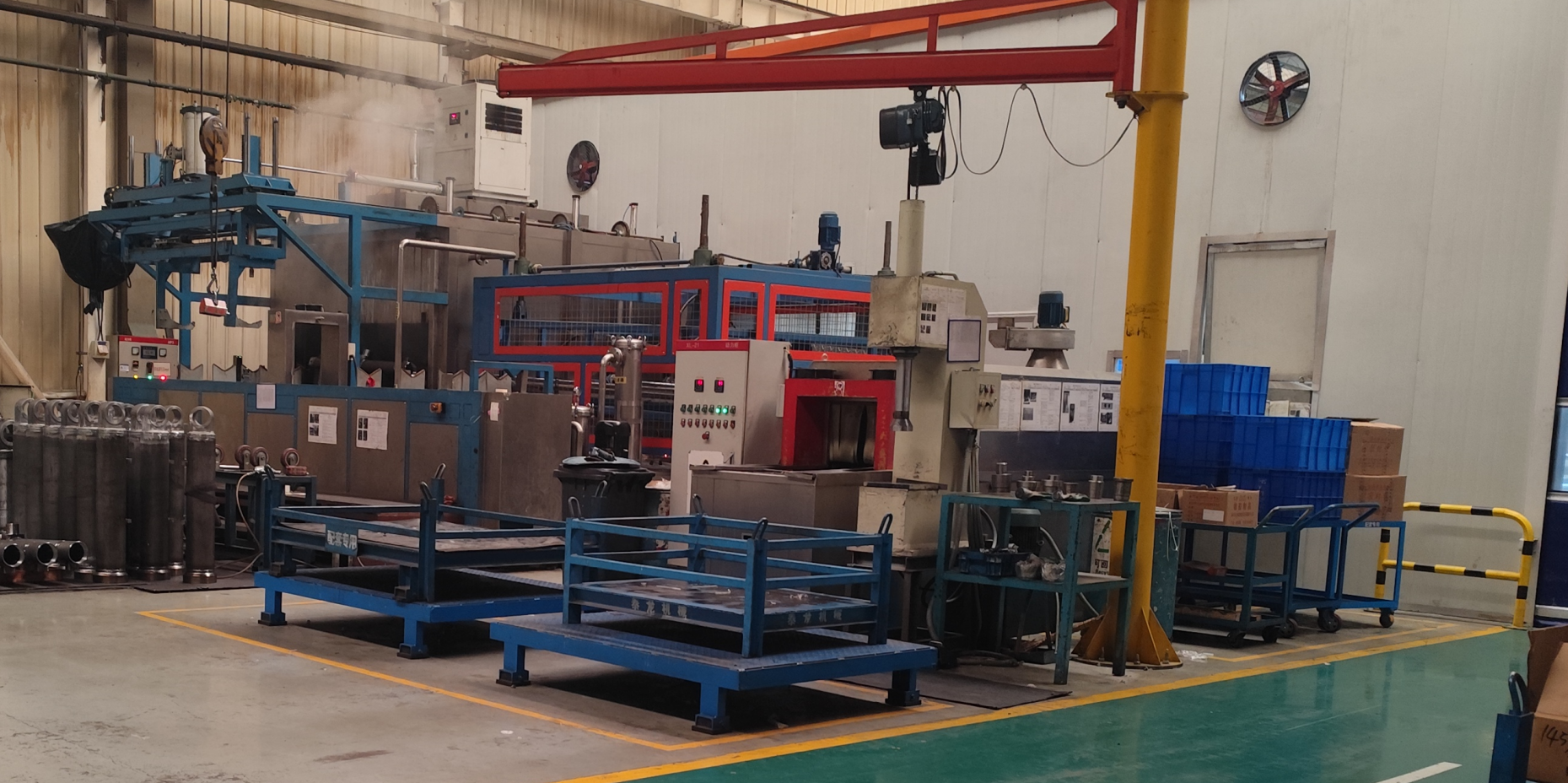
Cleaning components and circuits before assembly is the control step that prevents contamination from entering a closed hydraulic system.
2. Filtration control parameters
Filtration control is specified as the companion method to clean assembly. The design question is not “which filter” but “which contamination the filtration must remove, at which point in the circuit, and at what pressure cost.” Answering it requires the duty cycle, the fluid, the pump type, and the sensitivity of the valves and cylinders downstream.
A workable specification ties filtration to three decisions:
- Circuit placement: where filtration sits relative to the pump, return line, and reservoir determines what it can protect and what pressure loss it creates.
- Duty cycle match: continuous AC industrial duty and intermittent 12V/24V DC mobile duty place different demands on filter life and on heat generation.
- Verification: filtration control must be paired with the cleanliness control described above; one without the other leaves contamination either generated or unremoved.
For maintenance and troubleshooting, a modular configuration with standardized hydraulic components makes filter and component replacement more predictable than a fully bespoke layout, because the service item is identifiable rather than improvised.
3. Pressure calibration parameters
Pressure calibration covers both the design intent and the delivered unit. It begins with verification before production and ends with a measured result before shipment.
- Circuit verification before production: hydraulic circuit design, voltage, flow rate, pressure, and component configuration are verified against customer requirements before production.
- Setting adjustment to specification: pressure settings are adjusted according to customer specifications rather than to a default value.
- Motor and load matching: motors are selected according to duty cycle, voltage, and load requirements, with functional testing to verify stable operation under specified working conditions.
- Valve response verification: solenoid valves are tested for switching performance and response before assembly, and electrical connections are inspected to ensure reliable operation.
- Pre-delivery proof: each power unit is tested to verify stable system pressure before delivery, and every unit undergoes hydraulic pressure and leakage testing before shipment.
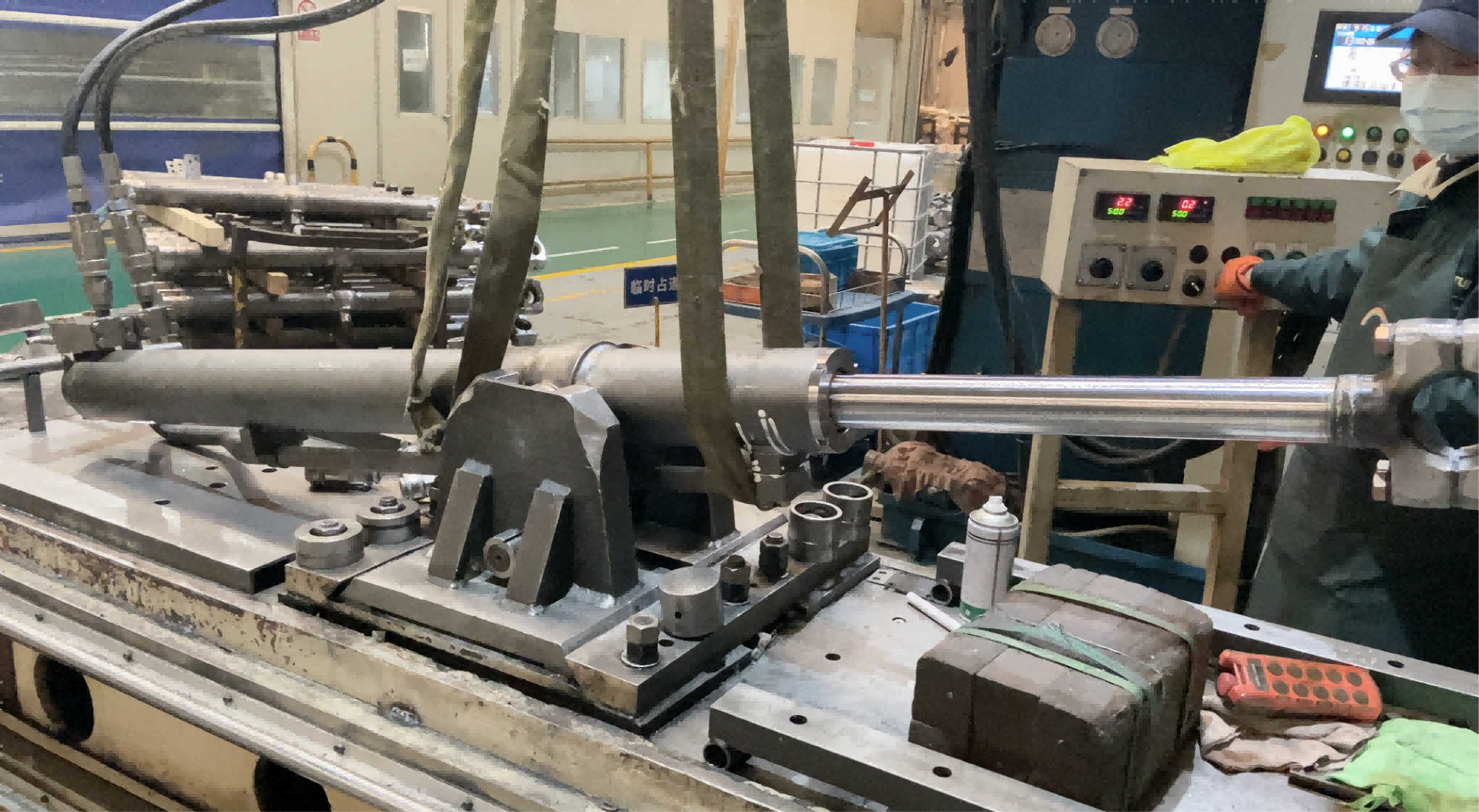
Pre-delivery pressure and leakage testing is what turns a calculated pressure setting into a verified one.
Step-by-Step Breakdown: From Engineering Review to Pre-Delivery Pressure Test
The sequence below shows how the three parameter families are actually executed, and which specific risk each step is designed to control.
| Step | What Happens | Risk Controlled |
|---|---|---|
| 1. Engineering review and drawing confirmation | Hydraulic circuit design, voltage, flow rate, pressure, and component configuration are verified against customer requirements before production. | Incorrect system configuration |
| 2. Component qualification | Hydraulic pumps are sourced from qualified suppliers; solenoid valves are tested for switching performance and response before assembly. | Premature pump wear, solenoid valve failure |
| 3. Clean assembly | Hydraulic systems are cleaned before assembly and components are assembled under clean manufacturing conditions. | Oil contamination |
| 4. Filtration and fluid control | Filtration control is applied together with control of hydraulic oil cleanliness. | Oil contamination |
| 5. Electrical inspection | Wiring, connectors, and control circuits are inspected before shipment. | Electrical connection failure |
| 6. Motor and load verification | Motors are selected to duty cycle, voltage, and load requirements, and functionally tested under specified working conditions. | Motor overheating |
| 7. Circuit verification and pressure calibration | The hydraulic circuit is verified and pressure settings are adjusted according to customer specifications. | Pressure instability |
| 8. Pressure and leakage test | Each unit is tested before delivery to verify stable system pressure; fittings and sealing components are inspected. | Hydraulic oil leakage, pressure instability |
| 9. Protection, packaging, and traceability | Ports are sealed, anti-corrosion treatment is applied, export-grade packaging is used, and production batches with quality inspection records are maintained. | Transportation damage, loss of traceability |
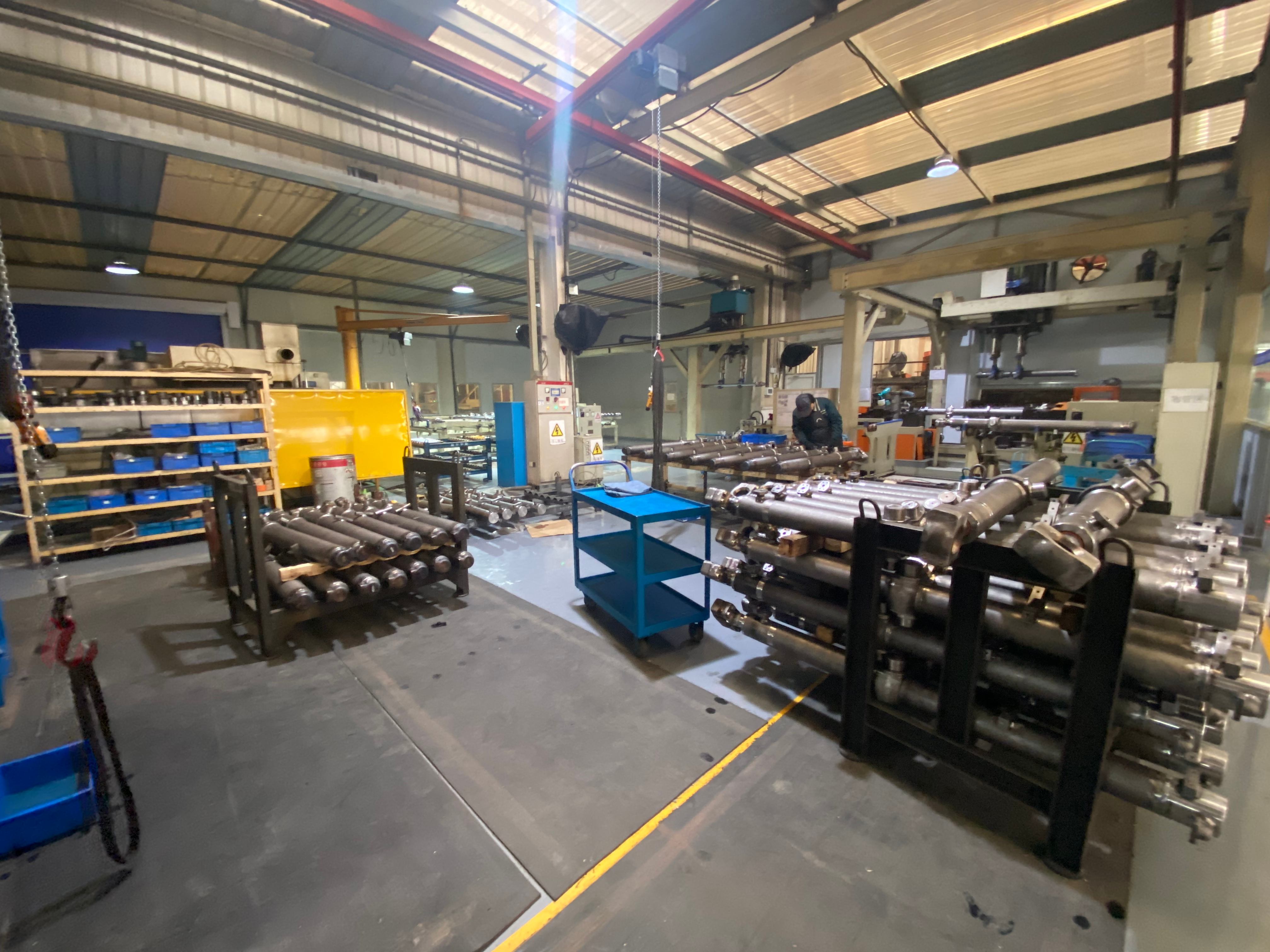
Assembly-line control points are where cleanliness and configuration verification are held to the approved drawing.
Use Cases: How the Parameters Shift by Power Unit Type
Low-noise compact hydraulic power units
Compact units place filtration and reservoir design close together, so cleanliness control and filter placement have an outsized effect on both wear and running behaviour. Because component condition and contamination-driven wear influence how smoothly the unit runs, clean assembly and controlled oil cleanliness are the first parameters to specify — before motor and pump selection is finalized.
Vehicle-mounted auxiliary hydraulic power units
Vehicle-mounted and DC hydraulic power units run intermittent duty with vibration, limited service access, and 12V or 24V supply. Here the calibration side of the specification matters as much as cleanliness: motors must be matched to duty cycle and voltage requirements, and electrical wiring, connectors, and control circuits need inspection before shipment, because a loose connector on a mobile unit is a field failure rather than a bench inconvenience.
AC industrial hydraulic power units
Electric-powered units account for a large share of installed HPU demand — 60.1% of U.S. revenue share in 2024 (Grand View Research). Continuous industrial duty makes filtration sizing, heat generation, and stable pressure the controlling parameters. Standard packaged units represented 47.8% of global HPU revenue share in 2024 (Mordor Intelligence), which means the remaining demand is largely configured units where these parameters must be written down rather than inherited.
Aerial work platform hydraulic power units
Platform lifting is safety-relevant, so pressure stability and leak-free performance are non-negotiable. Every unit that goes into this application should be described by a verified circuit, pressure settings adjusted to specification, and a completed pressure and leakage test before shipment — with fittings and sealing components inspected as part of that test.
Double-acting mobile hydraulic power units
Double-acting configurations place demands on both flow directions, so valve response and circuit verification carry more weight. Solenoid valves tested for switching performance and response before assembly, combined with motor selection matched to duty cycle and load, reduce the chance that the unit behaves differently in one direction than the other.
Dump trailer, scissor hoist, and mini hydraulic power units
Trailer and hoist applications combine DC power, short bursts of high-load operation, and outdoor exposure. Cleanliness control, sealed ports, and anti-corrosion treatment protect the unit between production and installation, while pressure calibration confirms that lifting behaviour matches the trailer size, cylinder capacity, and lifting requirement the OEM designed for.
Comparison Table: Standard Dump Trailer HPU vs. Application-Specific Configuration
The table below summarizes Apex Hydraulic's own comparison between conventional standard dump trailer hydraulic power units and application-specific configurations engineered to the trailer's operating conditions. It illustrates how configuration quality — including cleanliness, filtration, and calibration — shows up in measurable outcomes rather than in claims.
| Comparison Dimension | Conventional Standard Dump Trailer HPU | Apex Application-Specific Dump Trailer HPU |
|---|---|---|
| System configuration | Generic off-the-shelf unit rather than a configuration matched to the application. | Optimized motor, pump, reservoir, valve, and control configuration engineered according to trailer size, cylinder capacity, lifting requirement, voltage, duty cycle, and operating environment. |
| Hydraulic efficiency | Incorrect motor, pump, or valve selection may increase energy consumption and hydraulic heat generation. | Optimized hydraulic circuit reduces unnecessary pressure loss and lowers unnecessary energy loss. |
| Operating reliability | Improper component matching may lead to higher maintenance frequency and shorter service life. | Proper component matching helps extend service life under frequent dump trailer operation. |
| Response time | Slower lifting response when pump displacement and motor are not correctly matched. | Correct pump displacement and motor selection provide faster lifting response. |
| Noise and heat control | Mismatched combinations can increase hydraulic noise and excessive heat generation. | Optimized motor-pump combination helps reduce hydraulic noise and excessive heat generation. |
| Maintenance and troubleshooting | Generic configurations may make troubleshooting difficult when components are mismatched. | Modular design with standardized hydraulic components makes maintenance, troubleshooting, and replacement easier. |
| Cost of ownership | Low initial purchase cost, but potentially higher maintenance frequency and shorter service life. | Optimized system configuration reduces total ownership cost through improved reliability, reduced downtime, and longer component life. |
| Best for | Applications where cost of acquisition is the only decision criterion. | Dump trailers, agricultural dump trailers, landscape trailers, construction material trailers, utility trailers, heavy-duty tipping trailers, small dump trucks, and mobile hydraulic equipment. |
FAQ
Which cleanliness and safety standards apply to a custom hydraulic power unit?
In the European Union, hydraulic power units must comply with EN ISO 4413:2010, which sets general rules and safety requirements for hydraulic systems, and the Machinery Directive 2006/42/EC, which governs health and safety requirements for hydraulic systems. On the production side, compliance in practice means the hydraulic system is cleaned before assembly, hydraulic oil cleanliness is controlled to reduce contamination risks, and clean assembly combined with filtration control is used as the control method against oil contamination. Cleanliness is usually expressed with particle-count classification codes such as ISO 4406, and the accepted class should be confirmed against component supplier requirements and recorded on the approved drawing. Apex Hydraulic assembles hydraulic power units under clean manufacturing conditions and maintains production batches and quality inspection records to support traceability.
Can pressure settings be calibrated to our specification instead of a factory default?
Yes. Pressure settings are adjusted according to customer specifications, and pressure instability is controlled through hydraulic circuit verification and pressure calibration. Verification starts before production, when hydraulic circuit design, voltage, flow rate, pressure, and component configuration are checked against customer requirements. During production, motors are selected according to duty cycle, voltage, and load requirements, and solenoid valves are tested for switching performance and response before assembly. Before delivery, each power unit is tested to verify stable system pressure, and every unit undergoes hydraulic pressure and leakage testing to confirm leak-free performance.
How do cleanliness and calibration scope affect the cost of a custom hydraulic power unit?
Cleanliness and calibration add cost at the front of a project and remove cost later. Apex Hydraulic's comparison of configuration approaches notes that a traditional low-cost unit may suffer from improper component matching, higher maintenance frequency, and shorter service life, while an optimized system configuration reduces total ownership cost through improved reliability, reduced downtime, and longer component life. Commercial terms scale with the project: minimum order quantity for standard products is 1 piece, while custom OEM/ODM projects are negotiable according to product specifications and project requirements. Payment can be handled through T/T, Letter of Credit, or Alibaba Trade Assurance, and delivery terms include EXW, FOB, FCA, CIF, CFR, DAP, and DDP.
Can we validate a prototype before committing to volume production?
Yes. Apex Hydraulic provides complete customization services covering product design, engineering drawings, prototype development, testing, manufacturing, and quality inspection. Acceptance is defined before production: dimensional inspection, hydraulic pressure testing, leakage testing, functional testing, and quality inspection are performed according to approved drawings, technical specifications, or mutually agreed acceptance criteria. The standard project sequence places sample approval before PI confirmation, so a prototype can be validated against the cleanliness, filtration, and pressure parameters agreed for the application before volume tooling and production begin.
What does the production and delivery sequence look like, and how do we start a project?
The standard sequence is: inquiry, technical review, drawing confirmation, quotation, sample approval if required, PI confirmation, deposit payment, manufacturing, quality inspection and testing, final payment, shipment, and after-sales technical support. Pre-shipment protection includes sealed ports, anti-corrosion treatment, and export-grade packaging to prevent transportation damage. To start, send your hydraulic circuit requirements, voltage, flow rate, pressure, duty cycle, and target cleanliness reference to Apex Hydraulic — the engineering team responds with a technical review and a drawing-based quotation. Contact: Jason, jason@hydraulicapex.com, WhatsApp +86 182-5318-1828, Qingdao City, Shandong Province, China.
Conclusion
Cleanliness, filtration, and pressure calibration are three parameter families that should be written into the approved drawing rather than assumed at the bench. Clean the system before assembly, assemble under clean conditions, control oil cleanliness, match filtration to duty cycle and component sensitivity, verify the circuit, calibrate pressure to the customer's stated settings, and prove the result with a pressure and leakage test on every unit.
Apex Hydraulic Co., Ltd. applies this sequence across custom hydraulic power units, hydraulic power packs, and hydraulic systems, backed by an annual production capacity of 100,000 hydraulic cylinders and 15,000 power units, 25 engineers, and export sales accounting for 70% of total sales across North America, Western Europe, South America, Southeast Asia, the Middle East, and Australia. The company provides OEM and ODM manufacturing services for equipment manufacturers, hydraulic distributors, and hydraulic solution providers worldwide, and builds long-term partnerships with OEM manufacturers, distributors, and industrial equipment companies.
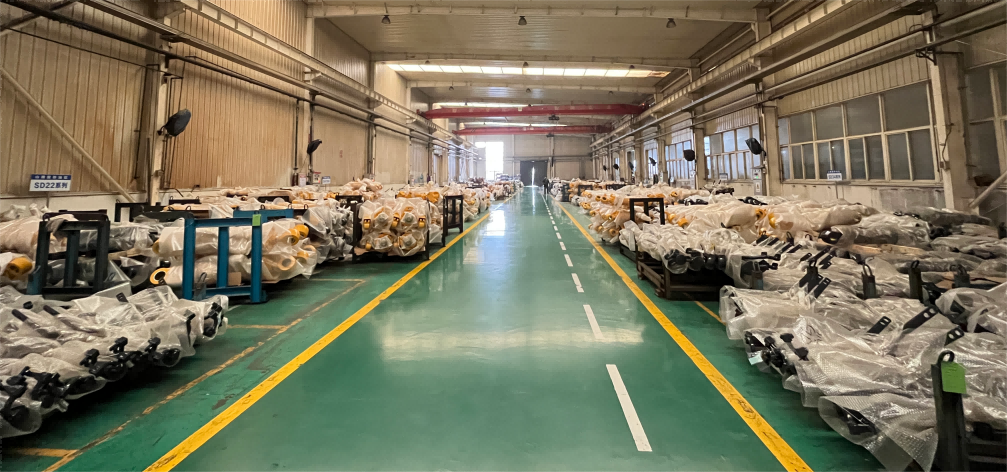
Units leave the factory only after cleanliness control, pressure calibration, and pre-delivery testing are completed and recorded.
Specify your next custom hydraulic power unit with verified parameters
Send your circuit requirements, voltage, flow rate, pressure, duty cycle, and cleanliness reference for an engineering review and quotation. Samples can be validated before volume production.
Email: jason@hydraulicapex.com · WhatsApp: +86 182-5318-1828 · Website: www.hydraulicapex.com
Download the product catalog: APEX Hydraulic Product Catalog (Main Products)
Have Questions or Need More Details?
Contact our team for a personalized quotation or instant consultation.
Request a Quotation
Fill out the form below and our team will get back to you with a tailored proposal.
WhatsApp Direct Chat
Prefer to chat in real-time? Message us on WhatsApp for instant assistance & quick answers.
- Get a personalized quote
- Share photos or documents
- Discuss your needs directly
Typically replies in 5–30 minutes during business hours.