Hydraulic Power Unit Comparison: Standard vs. Custom and How to Choose the Right OEM Partner
Hydraulic Power Unit Comparison: Standard vs. Custom and How to Choose the Right OEM Partner
When you are ready to buy a hydraulic power unit, the decision usually comes down to two paths: selecting a standard hydraulic power pack or commissioning a custom hydraulic power unit. The right choice depends on your equipment, operating conditions, voltage requirements, flow and pressure targets, and the level of engineering support your project needs. This guide gives decision-stage buyers a practical comparison framework, explains the trade-offs between standard and custom configurations, and shows how to evaluate an OEM manufacturer such as Apex Hydraulic.
The Buying Problem: Why Hydraulic Power Unit Comparison Is Hard
Hydraulic power units are difficult to compare because similar-looking quotes can hide major differences in component quality, design maturity, and testing procedures. A supplier may quote the same 12V or 24V configuration, but the pump, motor, valve, tank, and filtration can be specified differently. Some buyers focus on price only and later discover that the unit cannot handle the duty cycle, the mounting does not fit, or the documentation is incomplete. The challenge is to compare the total engineering and supply chain value, not just the catalogue price.
Industry Background: Hydraulic Power Units in Mobile Applications
Hydraulic power units, also called hydraulic power packs, supply pressurised oil to cylinders, motors, and other actuators. They are widely used in dump trailers, dump trucks, roll-off trucks, sanitation vehicles, agricultural machinery, construction equipment, scissor hoists, material handling equipment, and marine systems. Depending on the machine, the power unit may be a 12V or 24V DC unit powered by the vehicle battery, a mini hydraulic power unit for compact layouts, or a custom OEM hydraulic power unit engineered for a specific piece of equipment. Each format must match the flow, pressure, mounting envelope, and working cycle of the host machine.
Standard or Custom? A Starting Point for the Decision
The first decision is whether a standard hydraulic power pack can satisfy the application. Standard units are typically faster to source, easier to quote, and suitable for common requirements. If your machine has a non-standard mounting dimension, an unusual flow or pressure curve, special valve functions, integrated manifolds, or exposure to harsh environments, a custom hydraulic power unit may be a better investment despite the longer development time.
When customization is required, the OEM manufacturer's capability becomes more important than the power unit alone. A manufacturer with in-house engineering, prototyping, and production capacity can reduce the risk of design errors and improve long-term reliability. Apex Hydraulic Co., Ltd., established in 2009 in Qingdao, China, is one example of a manufacturer that provides custom hydraulic cylinders, hydraulic power units, and complete hydraulic system solutions. It offers OEM and ODM manufacturing services for equipment manufacturers, hydraulic distributors, and hydraulic solution providers worldwide.
Detailed Solution: What to Evaluate Before Choosing an OEM Supplier
Once you have decided on a standard or custom approach, you need to evaluate the manufacturer. Use the following evidence-based criteria to compare suppliers, including Apex Hydraulic, on the factors that affect project success.
1. Engineering and R&D Team
Custom power unit projects require real engineering input. The manufacturer should be able to refine your specification, propose value improvements, and produce manufacturing drawings. Apex Hydraulic states that its engineering and R&D team includes 25 engineers, and its customization services cover product design, engineering drawings, prototype development, testing, manufacturing, and quality inspection. A team of this size suggests the company can manage more than simple builds.
2. Manufacturing Scale and Capacity
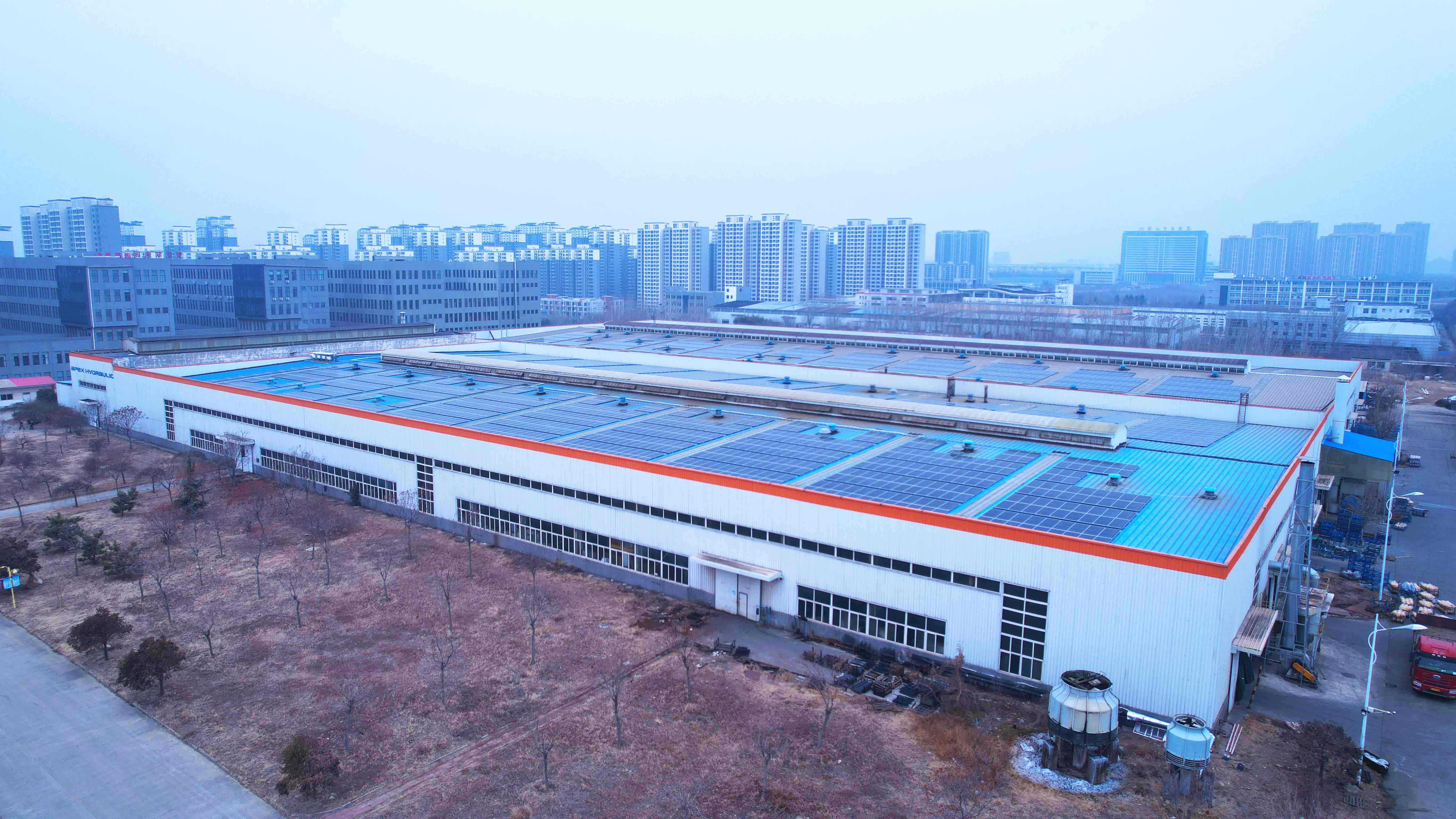
Production capacity affects lead times, repeatability, and the manufacturer's ability to grow with your orders. Apex Hydraulic operates a 50,000 m² facility, employs more than 560 people, and reports an annual production capacity of 100,000 hydraulic cylinders and 15,000 power units. Large-scale production does not guarantee quality, but it provides the process control and purchasing power needed for hydraulic components, and it signals that the supplier is likely to support ongoing production programs.

3. Quality Control and Testing
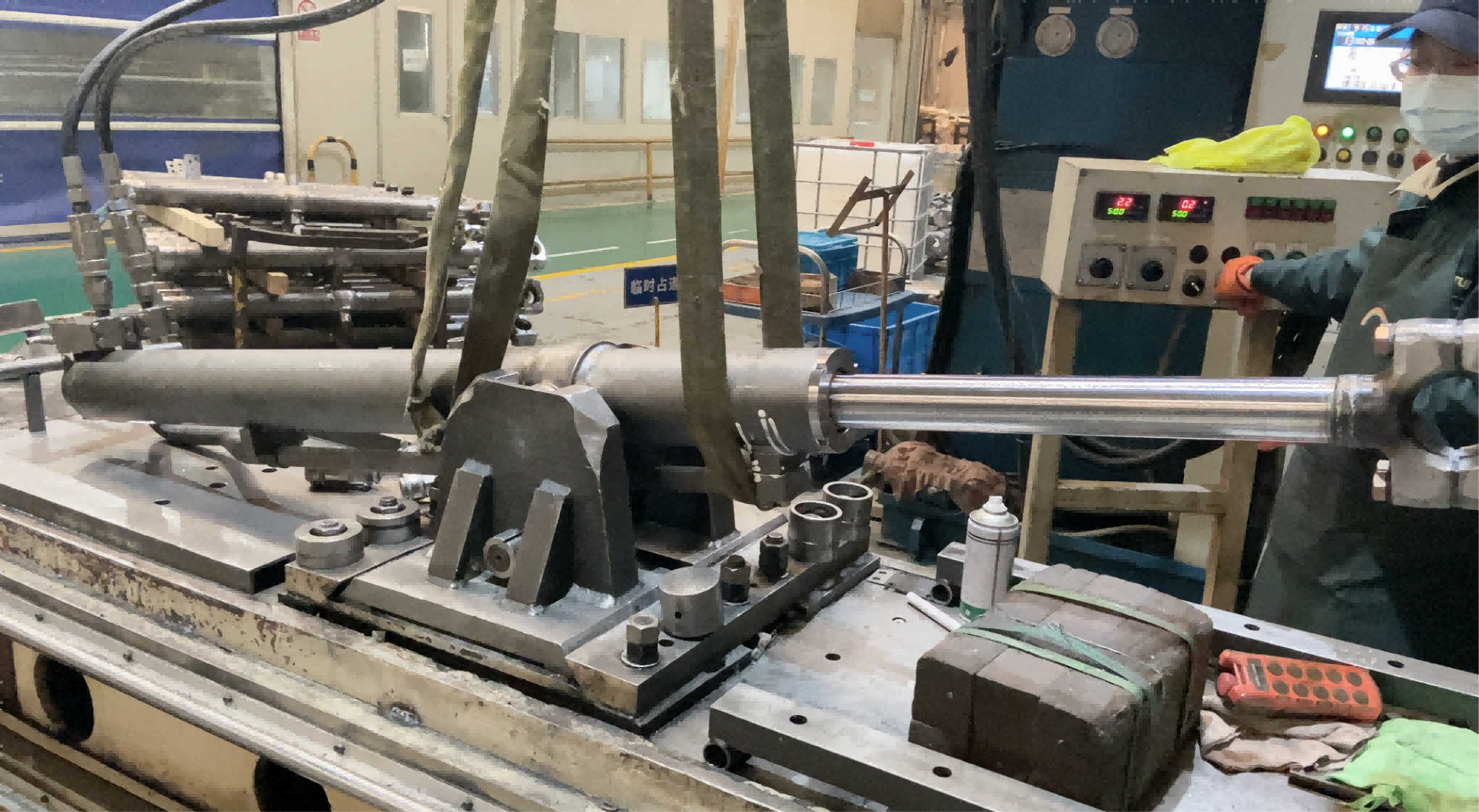
Before placing a production order, ask what quality checks are performed and which records will be delivered. Apex Hydraulic states that every hydraulic cylinder and hydraulic power unit is manufactured under strict quality control to ensure reliable performance, long service life, and stable operation under demanding working conditions. Buyers should request test procedures and, if possible, witness or review inspection data.
4. Application Experience and Export Track Record
A manufacturer that has worked across multiple industries can bring practical reference points to your project. Apex Hydraulic exports to customers in North America, Western Europe, South America, Southeast Asia, the Middle East, and Australia, with around 70% of production exported. Its products are used in sanitation vehicles, dump trailers, dump trucks, roll-off trucks, agricultural machinery, construction equipment, mining machinery, marine equipment, and material handling equipment. This breadth of application experience is useful when your system has unusual requirements.
5. OEM and ODM Flexibility
If you are an equipment manufacturer, the supplier should support your brand, drawings, and quality expectations. OEM and ODM services from Apex Hydraulic include product design, engineering drawings, prototype development, testing, manufacturing, and quality inspection. That means the supplier can build a custom hydraulic power unit from your concept, or improve an existing design, rather than only offering a fixed range.
Step-by-Step Breakdown: From Shortlist to Final Selection
Follow these steps to turn your shortlist into a confident decision.
Step 1. Write a Complete Specification
Start with a detailed RFQ. Include target flow rate, maximum operating pressure, motor voltage (12V or 24V DC where relevant), oil tank capacity, duty cycle, mounting dimensions, port sizes, valve functions, filtration, and ambient temperature. A clear specification prevents ambiguous price comparisons.
Step 2. Decide: Standard, Semi-Custom, or Fully Custom
If the standard product matches your specification, choose the standard unit for speed and cost. If only minor changes are needed, a semi-custom version may be available. If the machine requires a unique layout or control function, plan for a custom OEM hydraulic power unit. This decision should be driven by engineering need, not by preference for novelty.
Step 3. Eliminate Suppliers That Cannot Verify Capability
Ask each candidate for evidence of engineering capacity, production floor space, machinery, testing equipment, and similar past work. Request details about the size of the engineering team and the names of component brands they commonly use. If a supplier cannot describe its design and inspection workflow, it is difficult to predict quality.
Step 4. Compare Manufacturing Evidence
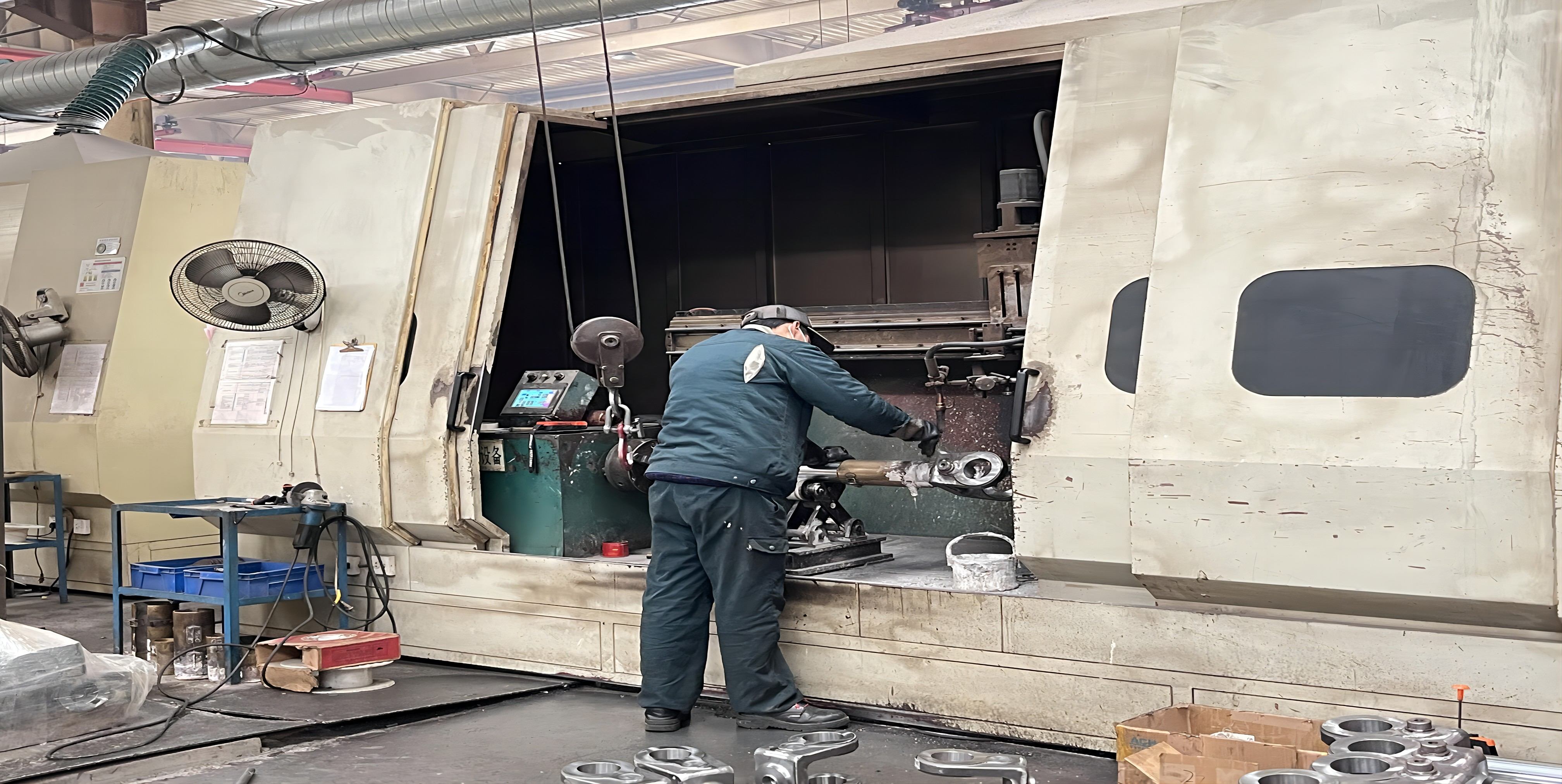
Review production photos, factory tour videos, or an in-person visit. Look for CNC machining capabilities, assembly stations, testing equipment, and cleaning procedures. A manufacturer that does only assembly may have less control over quality than one that machines, welds, assembles, and tests in-house. Apex Hydraulic shows a range of production steps in its public materials, including CNC processing, assembly, and pressure testing.
Step 5. Request a Prototype or Sample
For custom projects, a prototype is the strongest evidence that the design works. The manufacturer should be willing to produce a sample, run functional tests, and give you the data. Standard units may also be sampled before a larger purchase. Confirm the delivery time and cost of the sample before committing.
Step 6. Evaluate Total Cost and After-Sales Support
Compare the total cost of ownership: unit price, tooling or engineering fees, sample cost, freight, spare parts availability, and communication responsiveness. The lowest quote may lack necessary testing or engineering support. Choose the supplier that offers the best balance between price, lead time, and reliable after-sales service.
Use Cases: Selecting Configurations for Different Hydraulic Power Unit Applications
Dump Trailer Hydraulic Power Unit
Dump trailers require a power unit that can lift heavy loads and control lowering speed safely. The hydraulic power unit is often a 12V DC system mounted close to the cylinder. Key criteria are flow rate, pressure relief, valve control for lowering, and corrosion resistance.
Scissor Hoist Hydraulic Power Unit
Scissor hoists are used in vehicle service bodies and stationary lifting platforms. The power unit must provide smooth extension and retraction, and it is often integrated with a compact power pack and valve manifold. In this application, the control logic and mounting profile can be more important than maximum pressure.
Vehicle Hydraulic Power Unit
Vehicle-mounted machinery such as liftgates, tilt beds, and refuse collection bodies demands a robust 24V or 12V hydraulic power unit that can survive vibration and intermittent duty. The motor's duty rating, the pump displacement, and the tank design need to match the operating cycle.
Mini Hydraulic Power Unit
Mini hydraulic power units are used in compact equipment and auxiliary functions where space is limited. These small units combine the motor, pump, tank, and valve block in a single assembly. They are suitable for applications with short operating cycles and modest flow requirements.
Custom OEM Hydraulic Power Unit
Equipment builders often need a custom OEM hydraulic power unit to fit an original chassis design and meet specific brand requirements. The OEM manufacturer should be able to design the unit around your cylinder, integrate the required control valves, and deliver a tested assembly. A long-term OEM relationship depends on engineering support, documentation, and consistent production quality.
Comparison Table: Standard Hydraulic Power Pack vs. Custom Hydraulic Power Unit
| Factor | Standard Hydraulic Power Pack | Custom Hydraulic Power Unit |
|---|---|---|
| Design flexibility | Limited to existing configuration | Designed around the application |
| Typical lead time | Short, if stock or standard production is available | Longer, due to engineering and prototyping stages |
| Initial cost | Lower, because the design is already amortised | Higher, due to engineering and development work |
| Application fit | Good for common requirements | Better for unique mounting, flow, pressure, or control needs |
| Integration effort | May require adapters and additional piping | Designed for direct integration with the host machine |
| Minimum quantity | Can be ordered in small quantities | Usually planned for production volumes, though samples are available |
| After-sales support | Standard spare parts and documentation | OEM-specific documentation and engineering support |
Frequently Asked Questions
What compliance and documentation should I check when comparing hydraulic power units?
Buyers should verify that the manufacturer can provide complete technical documentation, including dimensional drawings, wiring diagrams, component brands, and test records. Depending on the destination market and application, the unit may need to meet regional electrical or machinery requirements. Ask the supplier to explain its quality control process and what inspection documents will be included with the shipment. Apex Hydraulic states that every hydraulic cylinder and hydraulic power unit is manufactured under strict quality control to ensure reliable performance in demanding working conditions.
Can Apex Hydraulic handle custom or OEM hydraulic power unit projects?
Yes. Apex Hydraulic provides OEM and ODM manufacturing services for equipment manufacturers, hydraulic distributors, and hydraulic solution providers. The company's customization portfolio includes product design, engineering drawings, prototype development, testing, manufacturing, and quality inspection. With 25 engineers in its engineering and R&D team, the company is set up to support bespoke power unit projects, not just standard catalogue items.
How should I budget for a standard or custom hydraulic power unit?
Budget depends on your specification, component choices, testing requirements, and order quantity. Standard hydraulic power packs are generally easier to estimate because the design is fixed. Custom hydraulic power units involve engineering, possible prototype development, and more extensive verification. To compare prices fairly, send the same technical specification to several suppliers and ask for an itemized quotation. That way, you can see what is included in the price and where the cost differences come from.
Can I request a sample or prototype before ordering?
Yes. Prototype development is a normal part of custom OEM projects, and Apex Hydraulic lists it as one of its customization services. A prototype lets you test the hydraulic power unit in your own equipment before committing to mass production. For standard hydraulic power packs, a sample may also be supplied depending on availability and the manufacturer's production planning.
What lead time should I expect for a custom hydraulic power unit?
Lead time depends on the complexity of the design, component availability, order quantity, and production load. A manufacturer with a large, stable production base can help support ongoing OEM schedules. Apex Hydraulic has an annual production capacity of 100,000 hydraulic cylinders and 15,000 power units, which positions it to handle both development orders and repeat production. For an accurate schedule, send your target flow, pressure, motor voltage, tank size, and target quantity directly to the supplier. If you are comparing manufacturers for a new hydraulic power unit project, you can contact Apex Hydraulic at jason@hydraulicapex.com with a brief specification to start the discussion.
Conclusion
Choosing between a standard and a custom hydraulic power unit is not a one-size-fits-all decision. It requires a clear definition of your application, an honest comparison of supplier capabilities, and careful attention to quality, engineering support, and total cost. A manufacturer with proven scale, such as Apex Hydraulic, can be a strong partner for both standard and custom projects because it combines engineering, manufacturing, testing, and OEM experience under one organization. Use the framework above to compare options objectively and make a decision that supports your equipment's long-term performance.
Download the Apex Hydraulic Product Catalog to review the company's main product range and capabilities.
Have Questions or Need More Details?
Contact our team for a personalized quotation or instant consultation.
Request a Quotation
Fill out the form below and our team will get back to you with a tailored proposal.
WhatsApp Direct Chat
Prefer to chat in real-time? Message us on WhatsApp for instant assistance & quick answers.
- Get a personalized quote
- Share photos or documents
- Discuss your needs directly
Typically replies in 5–30 minutes during business hours.