Hydraulic Power Unit Specs & Customization: What Buyers Should Evaluate Before OEM Orders
Hydraulic Power Unit Specs & Customization: What Buyers Should Evaluate Before OEM Orders
Selecting the right hydraulic power unit (HPU) is not simply a matter of matching flow and pressure. Buyers in the Research and Evaluation stage need to verify configuration, control options, component quality, OEM customization capability, and whether the manufacturer can support long-term supply. This guide explains what to evaluate before ordering a custom hydraulic power unit, with specific reference to Apex Hydraulic Co., Ltd., a Chinese manufacturer of hydraulic cylinders, hydraulic power units, and complete hydraulic systems.
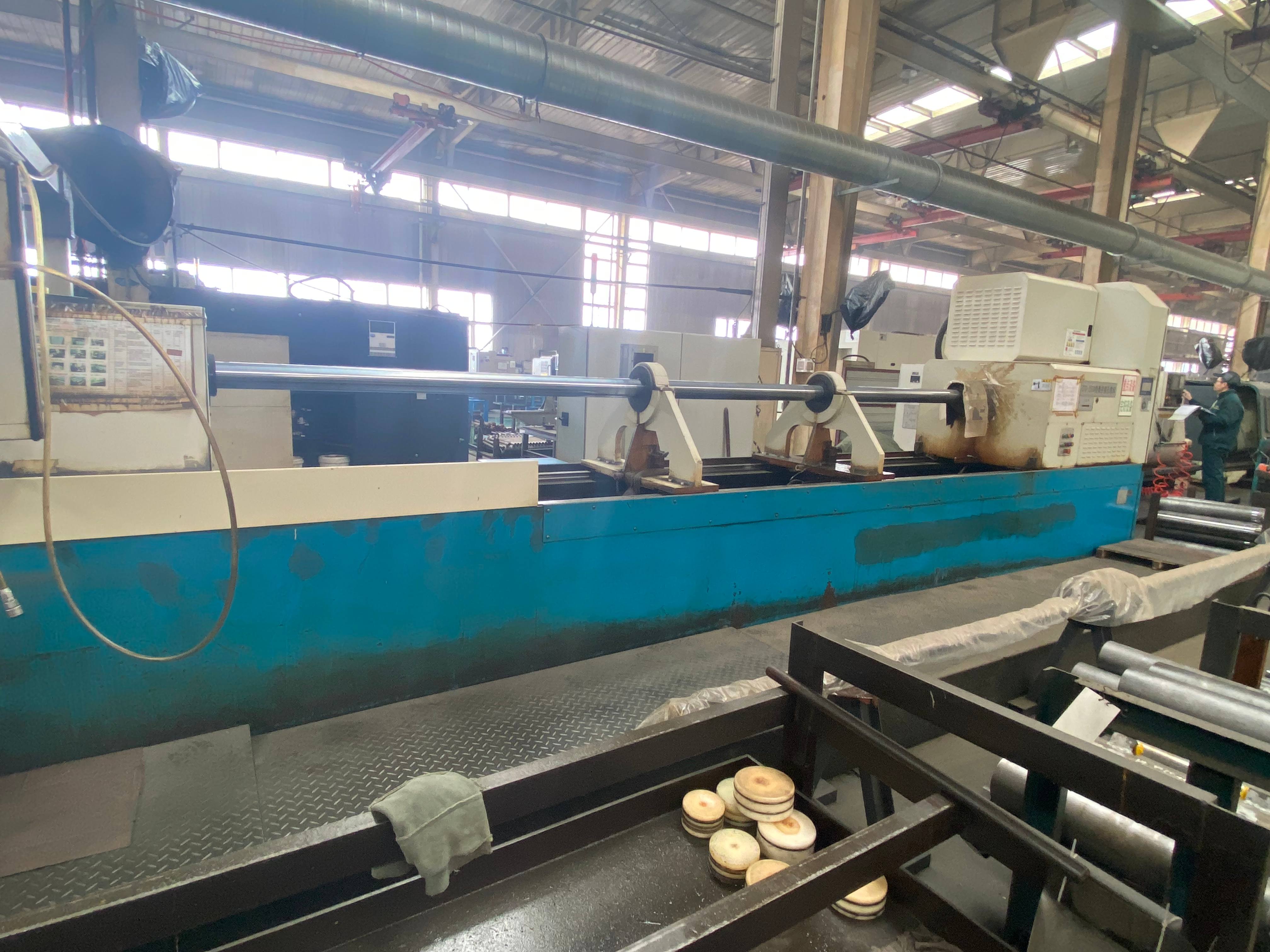
Precision machining and surface finishing are part of Apex Hydraulic's manufacturing process.
Why Hydraulic Power Unit Selection Requires More Than a Catalog Match
A hydraulic power unit—also called a hydraulic power pack—combines a motor, pump, reservoir, valves, and control elements into a self-contained unit that supplies pressurized fluid to hydraulic actuators. While the basic function is straightforward, the actual specification process involves a much wider set of decisions. Buyers who only compare price and displacement often discover later that duty cycle, mounting orientation, fluid viscosity, filtration level, or control voltage do not match the application.
For OEM buyers, the stakes are even higher. A power pack embedded in a dump trailer, scissor lift, sanitation vehicle, or material handling machine becomes part of a larger system with its own safety, wiring, and performance requirements. If the HPU package is not properly sized, cooled, filtered, and protected, the entire equipment warranty may be affected.
This article is written for procurement engineers, equipment manufacturers, distributors, and maintenance teams that need a structured way to evaluate hydraulic power units before placing an order. The focus is on parameters, configuration decisions, manufacturing capability, and the practical questions that determine whether a supplier can deliver a reliable custom hydraulic power unit.
Hydraulic Power Units in Today's Mobile and Industrial Equipment
Hydraulic power units are used across a wide range of machines because they offer a compact way to generate high force with precise control. In mobile equipment, 12V or 24V DC power units are common on dump trailers, roll-off trucks, scissor hoists, tail lifts, and agricultural machinery. Industrial applications often rely on AC-motor-driven power packs for machine tools, presses, test rigs, and material handling systems. In all these cases, the power unit must match the duty cycle, ambient temperature, and control requirements of the specific machine.
Apex Hydraulic Co., Ltd., established in 2009 and based in Qingdao, China, is an example of a manufacturer that builds hydraulic power units alongside a broader range of hydraulic components and systems. The company operates a 50,000 m² manufacturing facility, employs over 560 people, and has an annual production capacity of 100,000 hydraulic cylinders and 15,000 power units. The company's product range includes custom hydraulic cylinders, standard hydraulic cylinders, hydraulic power units, hydraulic systems, hydraulic scissor hoist kits, and hydraulic components. Its export share is about 70%, with major markets in North America, Western Europe, South America, Southeast Asia, the Middle East, and Australia.
For buyers, this type of manufacturer profile matters because hydraulic power unit customization involves not only pump and motor selection but also reservoir fabrication, valve integration, wiring, testing, and system-level support. A supplier that manufactures both cylinders and power units can support a complete hydraulic system and is generally better positioned to handle system-level performance issues.
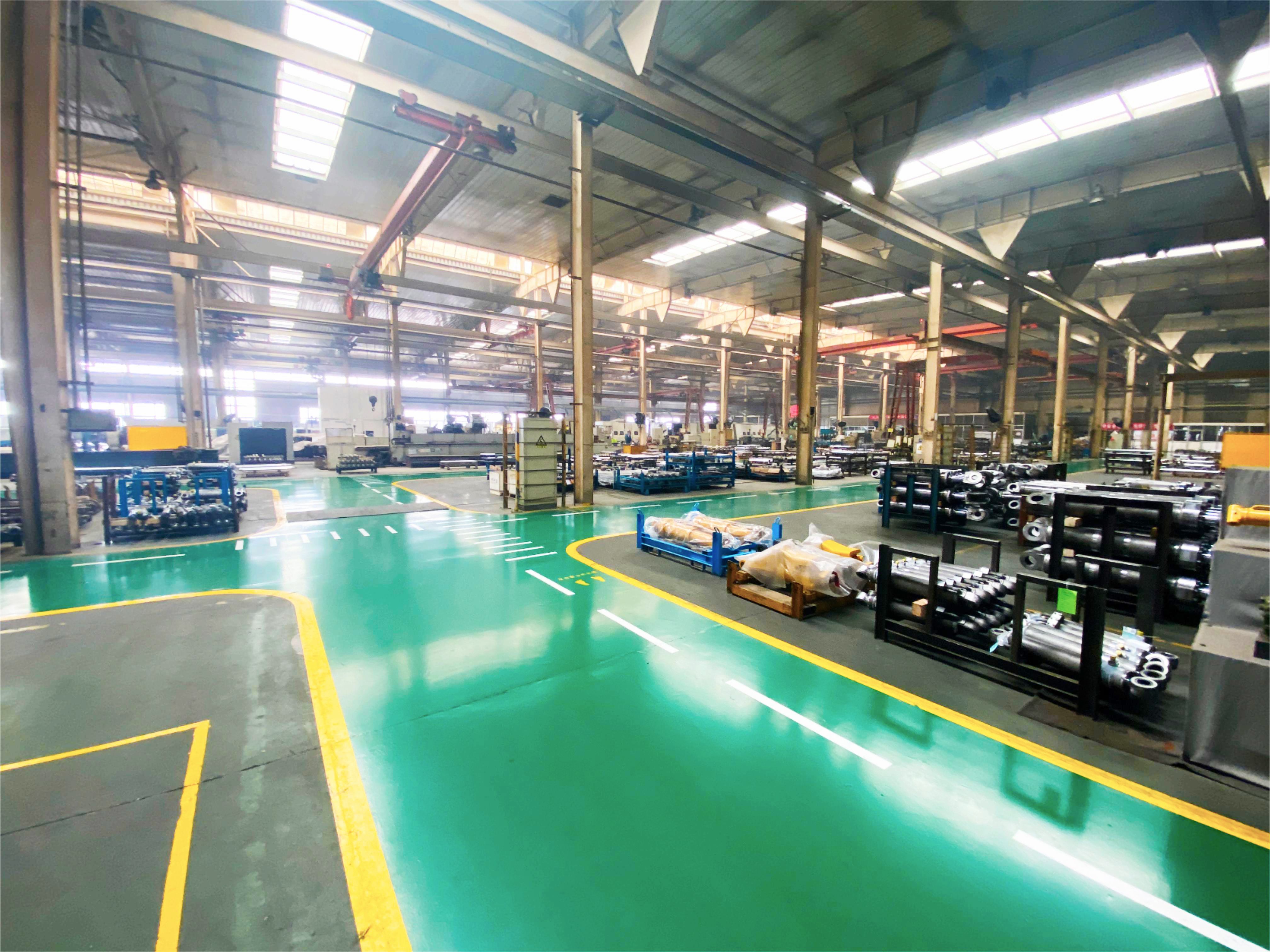
CNC machining capability is a core part of hydraulic component manufacturing.
Core Hydraulic Power Unit Specifications Buyers Must Define
The first step in evaluating or specifying a hydraulic power unit is to develop a complete set of performance parameters. The list below covers the specifications that a manufacturer needs to provide a meaningful quotation.
1. System Pressure and Flow Rate
Working pressure (bar or psi) and flow rate (L/min or GPM) determine the actuator speed and force. In a power pack, these two values are mainly influenced by pump displacement, motor speed, and relief valve setting. Buyers should clearly distinguish between continuous working pressure and peak pressure, because a relief valve that is set too close to continuous pressure can cause overheating and frequent valve cycling.
2. Motor Type and Voltage
For mobile equipment, DC motors are the most common solution. 12V DC hydraulic power units are widely used in lighter-duty applications such as small dump trailers, liftgates, and agricultural attachments. 24V DC power units are more common in heavy vehicle applications where higher flow at greater pressure is needed, such as truck-mounted lifts, refuse collection bodies, and material handling equipment. For industrial equipment, AC motors in single-phase or three-phase configurations are used.
Motor power (kW or HP) and starting current should be evaluated in the context of available vehicle or plant electrical supply. Intermittent-duty motors should not be run continuously; duty cycle rating is a critical selection parameter.
3. Reservoir Capacity and Mounting
Tank volume affects oil cooling, air separation, and the amount of oil available for cylinder extension. If the reservoir is too small, the oil temperature rises quickly. Mounting orientation—vertical tank, horizontal tank, or remote-mounted—affects space requirements and installation geometry. Many DC power packs use a compact vertical design where the motor and pump are mounted on top of the reservoir.
4. Control Valves and Directional Control
Most power packs include a directional control valve that determines the cylinder movement. Solenoid-operated valves are common for remote electric control; manually operated valves are used for local control. Buyers must specify the number of spools, spool type (spring-centered, detented, float position), and valve brand preference when relevant. For some applications, proportional control is required to modulate speed or positioning.
5. Filtration and Fluid
Filter type and filtration rating (micron level) should match the pump type and the contamination sensitivity of downstream components. Return-line filtration is typical for mobile power packs. Fluid type and viscosity grade must be specified based on ambient temperature and system pressure.
6. Pressure Relief and Safety Features
A relief valve protects the pump and the actuator from over-pressure. Additional safety features may include a load-holding valve or counterbalance valve on the cylinder circuit to prevent uncontrolled lowering of a load. These are often critical for scissor hoists and dump applications.
7. Duty Cycle and Operating Environment
Duty cycle (for example, intermittent duty S3 or S2 ratings) defines how long the motor can run before it must cool down. Ambient temperature, humidity, dust, and washdown requirements all affect enclosure protection level and material choices. For marine or agricultural applications, corrosion resistance and sealing must be upgraded.
Custom Hydraulic Power Unit vs. Standard Power Pack
Buyers often ask whether they should choose a standard power pack or pursue a custom hydraulic power unit. Both approaches have a legitimate place.
A standard unit is faster to source and generally cheaper when it fits the application exactly. However, the likelihood that a standard unit fits all parameters—pressure, flow, voltage, valve function, reservoir capacity, control type, and mounting geometry—is relatively low for equipment manufacturers. For OEMs, the competitive value of a hydraulic system often lies in how well it is integrated into the machine, which is hard to achieve with a one-size-fits-all unit.
Customization typically covers the following dimensions:
- Performance tuning: matching pump displacement and motor power to the actual cylinder and duty cycle;
- Form factor: adapting tank shape, port locations, and mounting brackets to the available space;
- Valve integration: integrating a specific directional valve, flow divider, counterbalance valve, or solenoid valve configuration;
- Controls and wiring: defining the control box, cabling, connectors, and remote control options;
- Branded components: using customer-preferred pumps, motors, valves, or filters;
- Finish and protection: selecting paint, plating, sealing, and protection levels suitable for the operating environment.
Apex Hydraulic provides OEM and ODM manufacturing services for equipment manufacturers, hydraulic distributors, and hydraulic solution providers worldwide. The company's engineering and R&D team—25 engineers—supports product design, engineering drawings, prototype development, testing, manufacturing, and quality inspection. This type of capability matters for buyers who need documentation, samples, and production consistency rather than just a lowest-price quote.
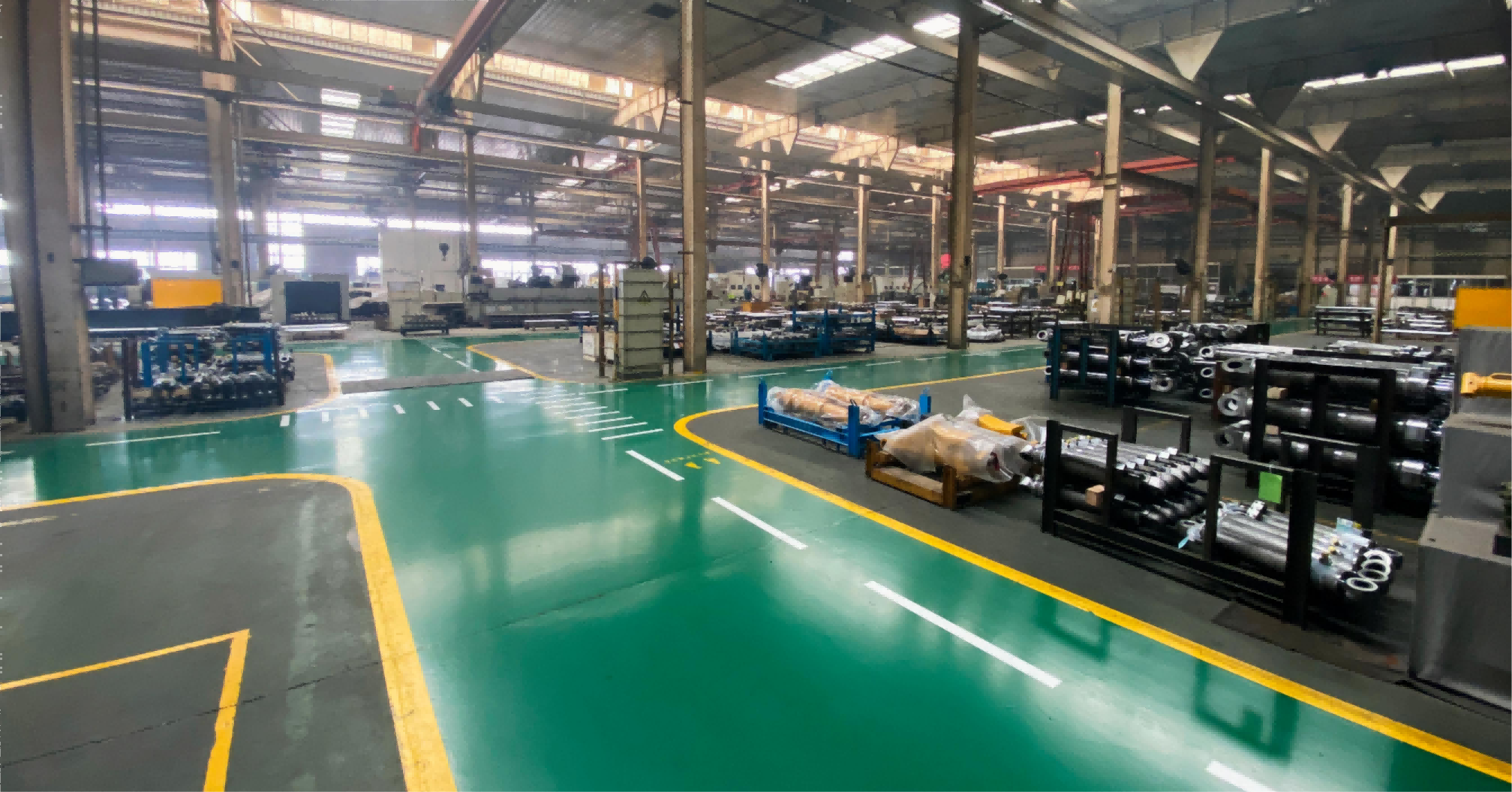
Heavy-duty manufacturing lines support the production of hydraulic cylinders, power units, and complete systems.
Step-by-Step: How to Specify and Order an OEM Hydraulic Power Unit
For OEM buyers and engineering teams, the following workflow can be used to structure the procurement process, from initial concept to serial production.
Step 1: Define the Application Requirement
Describe the machine function, the actuator(s) being driven, the required force and speed, cycle time, duty cycle, operating temperature range, and installation location. Identify whether the power unit will be exposed to outdoor weather, washdown, vibration, or corrosive environments.
Step 2: Select the Power Configuration
Choose the motor type: 12V DC, 24V DC, AC single-phase, or AC three-phase. Verify the available power source on the vehicle or machine. Consider the starting current draw, wire gauge, battery capacity, and battery charging system for DC units. For AC units, confirm voltage, frequency, phase, and motor starter requirements.
Step 3: Determine Pressure and Flow
Calculate the maximum system pressure from the heaviest load or highest force requirement. Calculate the required flow rate from the desired cylinder extension speed and piston area. Add a safety margin for pressure drop and internal leakage. Specify the relief valve setting clearly.
Step 4: Size the Reservoir
Estimate the oil volume required to extend and retract the cylinder(s). Account for oil expansion due to temperature rise, cylinder volume differential, and the pump's flow rate relative to the tank's heat dissipation area. When in doubt, choose a larger reservoir for intermittent mobile applications.
Step 5: Select Valves and Controls
Specify the directional control valve: number of positions, spool type, operation method (manual, solenoid, hydraulic pilot, or proportional). Add any necessary safety elements: counterbalance valves, pilot-operated check valves, flow control valves, or dump valves for free-flow lowering.
Step 6: Define Testing and Quality Requirements
Request performance test criteria in advance—pressure test, leak test, flow test, and functional cycle test. A manufacturer with in-house testing capability can verify each unit before shipment. Buyers should clarify which test documents and inspection reports are included with each order.
Step 7: Review Documentation and Prototype
For a custom hydraulic power unit, always request engineering drawings before production. If the application is new or critical, a prototype is strongly recommended. Apex Hydraulic's customization service includes prototype development and testing, which gives buyers an opportunity to validate fit, performance, and installation before serial production begins.
Step 8: Plan for Serial Production and Lead Time
Once the prototype is approved, confirm the supplier's capability to deliver consistent quality across serial batches. Review production capacity, quality control procedures, packaging, and shipping arrangement. For OEM buyers, a long-term sourcing partner should be able to maintain the same specification across multiple orders.
- Working pressure and max. pressure verified
- Required flow rate at operating pressure confirmed
- Motor voltage matches vehicle or plant supply
- Duty cycle and continuous operation defined
- Reservoir size suitable for heat dissipation
- Directional control and safety valves specified
- Filtration level matches component sensitivity
- Mounting geometry and port locations validated
- Prototype testing arranged before mass production
- Test reports and inspection documents agreed
Use Cases: Hydraulic Power Units in Mobile and Industrial Applications
Dump Trailer Hydraulic Power Unit
Dump trailers require a compact DC power pack that can lift the bed under load and hold it safely during dumping. A 12V or 24V hydraulic power unit with an integrated directional valve and a counterbalance valve is a common configuration. The unit should be matched to the trailer's lifting cylinder and expected load. Corrosion-resistant finishes and sealed electrical connections are important for trailers that operate outdoors and are often washed.
Vehicle Hydraulic Power Unit
Refuse collection vehicles, roll-off trucks, and service trucks use vehicle hydraulic power units operating from the truck's electrical or PTO system. These units often require higher flow and more robust reservoir cooling. The power pack may drive multiple cylinders sequentially, so valve manifolds with multiple solenoid valves or proportional control are often needed.
Scissor Hoist Hydraulic Power Unit
Scissor hoist kits for trucks and trailers are a typical combination of hydraulic cylinders and a power unit. The power pack must provide controlled lifting and, importantly, controlled lowering to prevent the platform from dropping too quickly. Load-holding and speed-control elements are essential. Apex Hydraulic's product range includes hydraulic scissor hoist kits, which demonstrates the company's experience in integrating cylinders and power units for this application.
Mini Hydraulic Power Unit
For compact machinery, lifting aids, small work platforms, and light-duty presses, a mini hydraulic power unit is often selected. These small power packs typically feature small reservoir volumes and low flow rates, and they need to fit into very constrained spaces. In this case, the OEM's ability to adapt manifold design and port orientation is a deciding factor.
Industrial and Sanitation Equipment
Beyond mobile applications, hydraulic power units are used in sanitation vehicles, agricultural machinery, construction equipment, mining machinery, marine equipment, and material handling equipment. Industrial units may require AC motors, accumulators, heat exchangers, and more complex control panels. Buyers should be aware that industrial and mobile power units are built differently—component selection, reservoir design, and cooling strategies are not interchangeable.
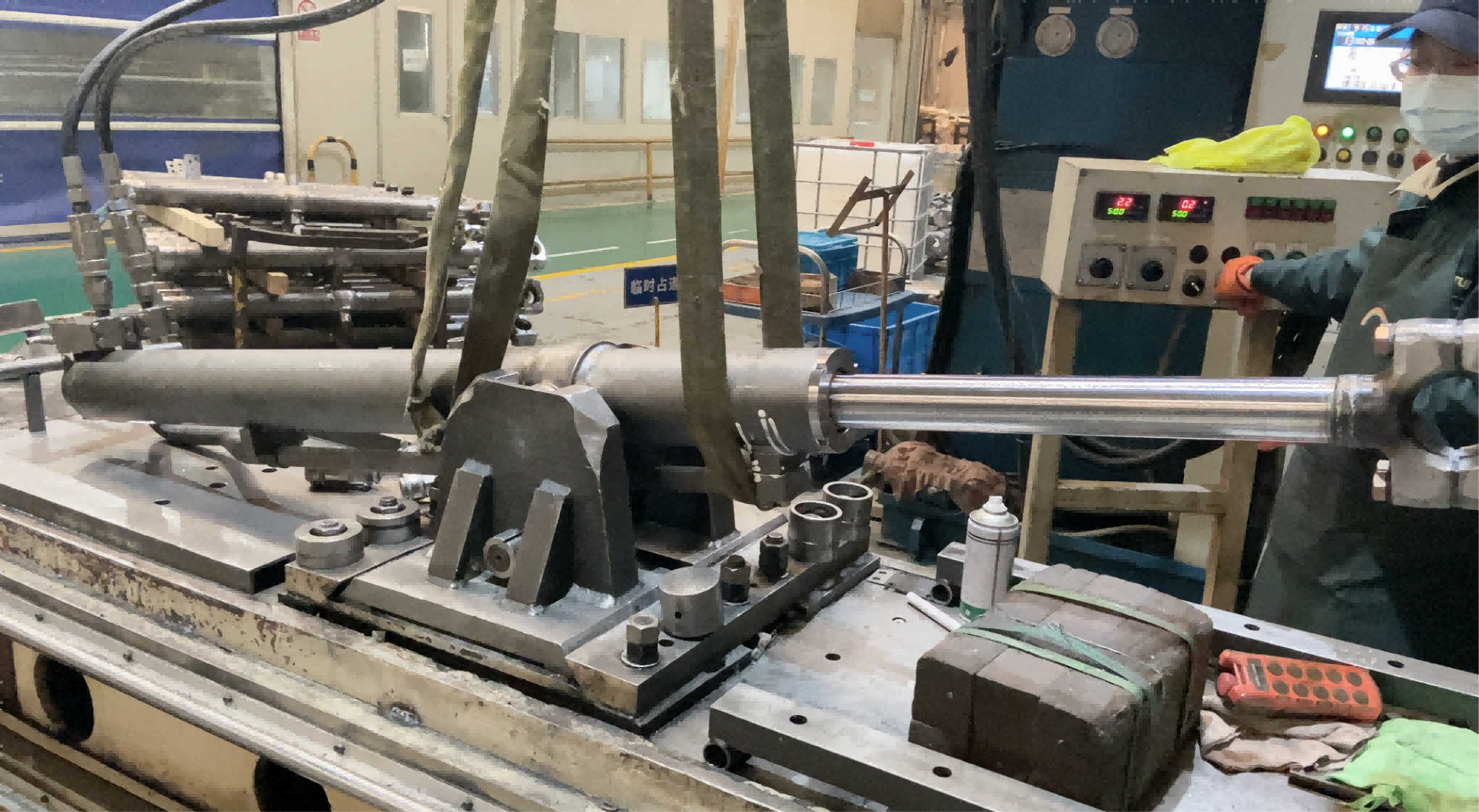
Pressure and leakage testing is part of the quality control process before shipment.
Comparison: Standard vs. Custom Hydraulic Power Unit
| Comparison Dimension | Standard Hydraulic Power Pack | Custom Hydraulic Power Unit |
|---|---|---|
| Fit to application | May require compromise in flow, pressure, or mounting | Designed around the cylinder, vehicle space, and electrical supply |
| Procurement speed | Faster, ready-made design | Requires engineering, prototype, and testing phase |
| Unit cost | Generally lower per unit for high-volume standard products | Engineering cost is spread across order quantity; unit cost can decrease with volume |
| Control integration | Limited to available valve configurations | Valve package, wiring, and control functions can be fully matched |
| Safety features | Only what is included in the standard design | Counterbalance valves, load-holding valves, and dump valves can be specified as needed |
| Documentation | Basic datasheet | Engineering drawings, test reports, and project-related documentation |
| OEM suitability | Limited if brand or design uniqueness matters | Supports branded machines and differentiated product design |
| Lifecycle support | Limited to existing spare parts | Manufacturer has full knowledge of the design and can support modifications and spares |
Evaluating a Hydraulic Power Unit Manufacturer
Buyers evaluating a hydraulic power unit supplier should look beyond the product photos and check manufacturing capability, engineering depth, and quality processes. The following criteria provide a structured supplier evaluation framework.
Manufacturing Capacity and Vertical Integration
A manufacturer that makes its own cylinders and key components has more control over quality, delivery, and system compatibility. Apex Hydraulic's 50,000 m² facility and annual production capacity of 100,000 cylinders and 15,000 power units indicate a level of scale that supports both standard and custom orders. For an OEM buyer, production capacity is a practical guarantee of supply stability.
Engineering and R&D Team
Custom power units require engineering work—sizing calculations, drawings, valve selection, and prototype validation. Apex Hydraulic's 25-engineer R&D team supports design, drawings, prototyping, testing, manufacturing, and inspection. For buyers, this means a single partner can handle the whole development loop.
Quality Control and Testing
Every hydraulic power unit should be pressure-tested and functionally tested before shipment. Apex Hydraulic states that every hydraulic cylinder and power unit is manufactured under strict quality control to ensure reliable performance, long service life, and stable operation under demanding working conditions. For OEM buyers, test reports and inspection data should be delivered with each batch.
Export Experience and Market Knowledge
A supplier with 70% export share and active markets in North America, Western Europe, South America, Southeast Asia, the Middle East, and Australia is likely to understand international documentation, packaging, and communication expectations. For an OEM buyer, this reduces the friction of working with a foreign manufacturer.
Frequently Asked Questions
Do Apex Hydraulic power units meet standard international quality requirements for export?
Apex Hydraulic Co., Ltd. manufactures every hydraulic cylinder and hydraulic power unit under strict quality control to ensure reliable performance, long service life, and stable operation under demanding working conditions. The company exports about 70% of its products to North America, Western Europe, South America, Southeast Asia, the Middle East, and Australia. For specific certification or documentation requirements on a particular project, buyers should confirm with the Apex Hydraulic sales team at jason@hydraulicapex.com, since applicable standards may vary by destination country and application.
Can Apex Hydraulic provide a fully custom hydraulic power unit, including OEM design?
Yes. Apex Hydraulic provides OEM and ODM manufacturing services for equipment manufacturers, hydraulic distributors, and hydraulic solution providers worldwide. The company's customization capabilities include product design, engineering drawings, prototype development, testing, manufacturing, and quality inspection. This allows buyers to specify a custom hydraulic power unit—whether 12V DC, 24V DC, or another configuration—matched to their cylinder, vehicle, and control requirements. To start a custom development project, buyers can contact jason@hydraulicapex.com.
How does pricing work for a custom hydraulic power unit, and does the price depend on order volume?
Pricing for a custom hydraulic power unit is based on the specific configuration: pump displacement, motor power, reservoir size, valve package, and control options. Like most hydraulic equipment manufacturing, unit price generally decreases as order quantity and production efficiency improve. Buyers seeking a budgetary reference can request the Apex Hydraulic product catalog or send a specification list to jason@hydraulicapex.com to receive a project-based quotation.
Can Apex Hydraulic develop a sample or prototype of a custom power unit before mass production?
Yes. Prototype development and testing are explicitly included in Apex Hydraulic's customization service. For a new design, a prototype allows the buyer to verify mounting geometry, performance, and system integration before committing to serial production. Buyers should share the application parameters and any cylinder specifications so that the engineering team can produce a relevant sample and test plan.
What is the typical lead time for ordering hydraulic power units, and how does Apex Hydraulic support long-term OEM supply?
Lead time varies depending on whether the unit is a standard product or a new custom design, as well as the quantity and component availability. Custom designs with prototype development generally require more time before serial production starts. Apex Hydraulic's 50,000 m² facility and annual production capacity of 15,000 power units support ongoing OEM supply. For planning purposes, buyers should request a lead time estimate together with the quotation. A good next step is to send an inquiry with the required volume and target delivery date to jason@hydraulicapex.com to confirm scheduling.
Conclusion: A Structured Approach to Hydraulic Power Unit Procurement
Selecting a hydraulic power unit—whether a 12V DC power pack for a dump trailer, a 24V unit for a vehicle-mounted system, or a custom power unit for OEM equipment—requires systematic evaluation of pressure, flow, motor type, reservoir capacity, valve integration, and manufacturer capability. Buyers who define these parameters early and work with a manufacturer that has real engineering and production depth will reduce the risk of field failure and design rework.
For buyers in the Research and Evaluation stage, the evaluation should include not only price quotes but also supplier capability assessments: manufacturing scale, engineering resources, customization workflow, quality control, and export experience. Apex Hydraulic Co., Ltd. provides OEM and ODM manufacturing for hydraulic cylinders, hydraulic power units, hydraulic systems, scissor hoist kits, and hydraulic components, and supports customers in North America, Western Europe, South America, Southeast Asia, the Middle East, and Australia.
To begin the technical discussion or request a project-based quotation, contact Jason at jason@hydraulicapex.com, call +86 182-5318-1828, or download the Apex Hydraulic product catalog below.
Request a Custom Hydraulic Power Unit Quote
Send your application parameters—pressure, flow, voltage, tank size, and control requirements—to receive an engineering-based proposal.
Download the Apex Hydraulic Product Catalog (PDF) | Email jason@hydraulicapex.com
Have Questions or Need More Details?
Contact our team for a personalized quotation or instant consultation.
Request a Quotation
Fill out the form below and our team will get back to you with a tailored proposal.
WhatsApp Direct Chat
Prefer to chat in real-time? Message us on WhatsApp for instant assistance & quick answers.
- Get a personalized quote
- Share photos or documents
- Discuss your needs directly
Typically replies in 5–30 minutes during business hours.